Blog

China Top Adjustable Weight Benches Manufacturers

China Top Adjustable Weight Benches Manufacturers

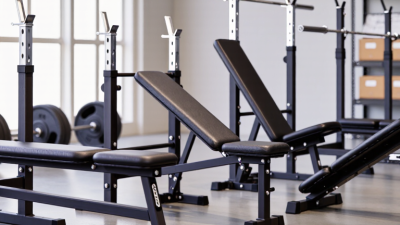
China has become a major sourcing center for Adjustable Weight Benches, serving gyms, distributors, and home-training brands worldwide. This guide examines manufacturers beyond attractive catalogs and low initial prices. A bench must remain stable when loaded, adjusted, folded, and transported repeatedly. Dan John, a respected strength coach and author, often says, “The goal is to keep the goal the goal.” That principle applies to equipment selection. A reliable bench should support safe, repeatable training before adding decorative features. Buyers should inspect frame steel, weld consistency, backrest angles, ladder design, padding density, and maximum tested capacity. Small details matter. A loose adjustment pin can change a confident press into an unsafe movement. China’s best manufacturers usually provide OEM development, sample production, logo customization, packaging support, and quality inspection records. Yet the market is uneven. Some factories communicate clearly but offer limited testing. Others show impressive equipment but provide weak documentation. Photos can mislead. A factory visit or independent pre-shipment inspection may reveal uneven weld beads, thin tubing, or upholstery that compresses too quickly. This overview compares manufacturers through practical evidence, not exaggerated claims. It considers production experience, engineering capability, export reliability, certifications, and after-sales communication. Readers should still verify current specifications directly. Suppliers change materials, subcontractors, and prices. That reality deserves attention. The strongest Adjustable Weight Benches manufacturers are not always the cheapest. They are the companies that explain limitations honestly, control production consistently, and respond when problems appear. A careful buyer may spend more initially, yet reduce returns, warranty disputes, and damaged customer trust.
Read more »
Amelia By:Amelia - October 25, 2026
Why Tactical Fitness Training Equipment Matters for Buyers?

Why Tactical Fitness Training Equipment Matters for Buyers?

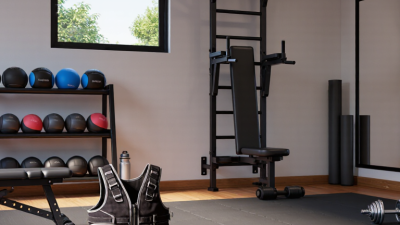
Choosing Tactical Fitness Training Equipment is not simply a matter of buying the heaviest or most advanced product. Buyers need equipment that supports realistic training goals, user safety, and consistent performance. A weighted vest should sit securely during movement, while resistance bands should show clear strength ratings and durable stitching. Small details decide. In practical equipment evaluations, professionals examine materials, load limits, adjustability, storage, and maintenance requirements. These factors influence how reliably equipment performs in home gyms, training facilities, and outdoor environments. A product may look rugged, yet weak stitching or uncomfortable handles can reduce its real value. That distinction matters. Buyers should review manufacturer specifications, warranty terms, and independent testing whenever available. Reputable brands explain intended use clearly and avoid exaggerated performance claims. Cost also deserves careful thought. The cheapest option may require replacement sooner, while premium equipment is not automatically better. Fit, frequency of use, and training experience should guide the decision. I have seen buyers focus too much on appearance and overlook balance, grip comfort, or cleaning needs. That mistake is easy to make. It is also worth admitting that no single product suits every athlete or training environment. Even well-researched recommendations can miss personal preferences, space limitations, or changing fitness goals. A thoughtful buying process compares measurable features with everyday practicality. Reliable Tactical Fitness Training Equipment should support controlled progress, not encourage careless intensity. When buyers understand these differences, they can choose equipment that remains useful, comfortable, and dependable over time.
Read more »
Evelyn By:Evelyn - October 15, 2026
How to Choose Collegiate Strength Training Equipment

How to Choose Collegiate Strength Training Equipment

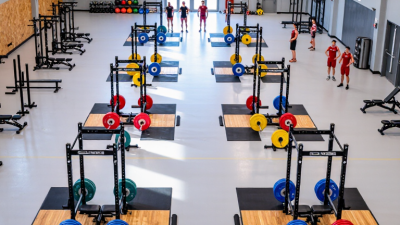
Choosing Collegiate Strength Training Equipment requires more than comparing prices or counting weight plates. A university facility must support athlete development, daily traffic, coaching efficiency, and safe movement. The NCAA’s 2023-24 Sports Sponsorship and Participation Rates Report recorded more than 520,000 student-athletes across championship sports. That scale matters. One broken cable, crowded rack, or poorly planned lifting lane can affect many training sessions. Professional guidance supports a practical approach. The National Strength and Conditioning Association emphasizes needs analysis, athlete goals, supervision, and risk management when designing strength programs. ACSM’s Worldwide Survey of Fitness Trends has also kept free-weight and strength-focused training among leading industry priorities. These reports do not provide a perfect equipment checklist. They offer useful direction. Real decisions still depend on team size, sport demands, facility layout, and maintenance capacity. Vern Gambetta, a respected strength-and-conditioning authority, states, “The goal of strength and conditioning is to prepare the athlete for competition.” That principle should guide every purchase. A football program may need heavy-duty racks, platforms, specialty bars, and high-load storage. A smaller Olympic-sport program may value adjustable benches, cable systems, dumbbells, and compact sleds. Measure the room first. Count peak users. Ask coaches what athletes actually need. A polished showroom can hide weak warranties, difficult repairs, or poor adjustability. I have seen equipment choices look impressive on paper yet perform awkwardly during busy sessions. That is worth admitting. The best Collegiate Strength Training Equipment is not always the newest. It is dependable, adaptable, serviceable, and appropriate for the athletes using it every day.
Read more »
Amelia By:Amelia - October 10, 2026
How to Choose High School Weight Room Equipment

How to Choose High School Weight Room Equipment

Choosing High School Weight Room Equipment requires more than comparing prices or counting machines. A safe room should support student development, clear instruction, and consistent supervision. Coaches need equipment that matches different ages, abilities, and training goals. A ninth-grade beginner may need adjustable dumbbells and a stable bench. A varsity athlete may need racks, bumper plates, and lifting platforms. Every piece should fit the available space, leaving clear walking paths between stations. Good planning also considers flooring, lighting, ventilation, storage, and emergency access. Safety must remain visible in daily use. Look for equipment with strong frames, secure adjustment points, readable weight markings, and reliable warranties. Ask manufacturers about testing, replacement parts, and maintenance schedules. These details often reveal more than attractive product photos. Consult certified strength professionals, school administrators, and facility managers before purchasing. Their experience can expose problems that a catalog cannot show. A coach may notice awkward spotting positions. A custodian may identify difficult cleaning areas. No plan is flawless. Budget pressure can encourage cheaper choices, but replacement costs may become higher later. Student feedback can also reveal practical issues, such as handles that feel too wide or benches that wobble. Review the room after several weeks of use. Record repairs, congestion, and unused equipment. Then adjust the layout or future purchases. The strongest High School Weight Room Equipment plan balances evidence, supervision, durability, and the real habits of students. It should build confidence without treating safety as an afterthought.
Read more »
Clara By:Clara - October 5, 2026
How to Buy Strength and Conditioning Equipment in 2026?

How to Buy Strength and Conditioning Equipment in 2026?

Buying strength and conditioning equipment in 2026 requires more than comparing prices online. A stronger approach begins with your athletes, training goals, available space, and maintenance capacity. A school weight room needs different solutions than a professional performance center. Measure every training area carefully, including ceiling height, door width, flooring, and storage access. Small details can prevent expensive delivery problems later. Athletic Strength and Conditioning Equipment should support safe movement, progressive loading, and repeatable performance testing. Look for durable frames, clear weight ratings, reliable adjustment systems, and warranties that match your usage. Ask manufacturers for material specifications, replacement-part availability, user instructions, and service response times. Independent reviews can help, but verified testing and experienced coaching advice deserve greater weight. Equipment should also fit the athletes using it, from youth players to advanced competitors. Ergonomic handles, adjustable benches, secure platforms, and suitable resistance levels matter every day. Do not buy everything at once. A practical purchasing plan may begin with racks, platforms, bars, plates, benches, and essential conditioning tools. Add specialized machines only when training data shows a real need. Used equipment can offer value, but inspect welds, bearings, cables, padding, and safety catches before purchase. I have found that attractive equipment sometimes creates workflow problems when coaches cannot monitor several stations easily. That lesson is easy to overlook. Review your shortlist with a qualified strength professional, facilities manager, and medical advisor when appropriate. The best 2026 purchase is not the most impressive setup. It is the system athletes can use consistently, safely, and effectively.
Read more »

Evelyn By:Evelyn - September 30, 2026
How to Plan a Weight Room Facility in 2026

How to Plan a Weight Room Facility in 2026

Planning a weight room in 2026 starts with people, not equipment catalogs. How many users will train at peak hours? Which activities need clear space, from barbell lifts to mobility work? Weight Room Facility Planning should turn those answers into a practical layout, with visible sightlines, sensible traffic flow, and enough room to load and unload bars safely. Small details matter. A poorly placed rack can interrupt an entire training circuit. CrossFit founder and strength-training expert Greg Glassman wrote, “The needs of Olympic athletes and our grandparents differ by degree, not kind.” That principle offers a useful planning test: can the room serve different abilities without making any user feel like an afterthought? Consider adjustable benches, accessible storage, stable flooring, and equipment zones that do not force people to cross active lifting areas. These choices should fit the actual users, not just a trend board. Start with measurements. Then test the proposed layout on paper before committing to construction. Check ceiling height, ventilation, lighting, power needs, cleaning access, and routes for equipment delivery. Consult qualified architects and engineers, and verify applicable building and accessibility requirements locally. That step can feel slow. It is cheaper than discovering a column blocks a rack or a delivery crate cannot reach the room. Some compromises will remain; budgets and square footage are real constraints. Be candid about them. A strong plan is not the one with the most machines. It is the one people can use safely, consistently, and comfortably—and can adapt as their needs change.
Read more »
Clara By:Clara - September 28, 2026
2026 How to Choose the Best Commercial Power Racks

2026 How to Choose the Best Commercial Power Racks

Choosing the right Commercial Power Racks in 2026 means looking beyond steel thickness and polished photos. The rack must suit the people using it, the room around it, and the work your facility actually supports. A busy training floor has different needs from a small private studio. Measure the ceiling, floor space, and clearances before comparing models. A few inches matter. Mark Rippetoe, a longtime strength coach, expresses a broader training principle in Starting Strength: “Strong people are harder to kill than weak people, and more useful in general.” That is not a rack specification, but it highlights why dependable training equipment matters. Inspect upright dimensions, hole spacing, safeties, pull-up options, and stated load ratings. Check how attachments fit, too. A useful rack should support routine adjustments without making setup awkward. Then consider the daily details: Can staff move a bench inside easily? Do spotter arms lock securely? Is the finish likely to withstand repeated contact with plates and bars? Ask vendors for documentation, warranty terms, and installation guidance, and verify that the information matches the exact model. Looks can mislead. Even experienced buyers can overlook workflow or future maintenance. No single rack is best for every facility. This guide compares the factors that shape a sound purchase, while noting where trade-offs deserve a second look.
Read more »
Evelyn By:Evelyn - September 28, 2026
7 Best Custom Branded Weight Racks for Commercial Gyms

7 Best Custom Branded Weight Racks for Commercial Gyms

A commercial gym needs weight racks that handle daily loading, keep walkways usable, and support a consistent training experience. Yet choosing a branded model involves more than adding a logo to a steel frame. Capacity, footprint, storage layout, finish, and access to replacement parts all affect long-term value. Coaches also need clear sightlines and predictable plate placement during busy sessions. Looks matter. So does fit. Custom Branded Weight Racks can reinforce a gym’s identity while making equipment zones easier for members to recognize. But branding cannot compensate for unstable construction, awkward loading, or dimensions that crowd neighboring stations. This guide compares seven options for commercial settings, focusing on practical features rather than appearance alone. Each selection should be judged against the gym’s floor plan, expected traffic, plate inventory, and maintenance routines. Where product details vary, buyers should confirm load ratings, materials, warranty terms, and customization limits directly with the supplier. That check matters. A boutique studio may need a compact unit. A strength facility may prioritize higher storage capacity. No single design fits every gym, and product photos rarely show how a rack feels during a crowded evening session. Before ordering, measure clearances with loaded bars and account for cleaning access around the base. The right choice balances safety, workflow, durability, and visible brand presence. There may be compromises.
Read more »
Clara By:Clara - September 28, 2026