
0%

Choosing the right Posterior Chain Training Machines in 2026 means looking beyond polished product photos and impressive weight stacks. The best choice depends on your training goals, available space, budget, and how your body responds to each movement. A machine that feels stable for one lifter may feel awkward for another.

This guide compares equipment designed to train the glutes, hamstrings, and lower back, including hip thrust machines, seated leg curls, back extensions, and reverse hypers. It considers practical details: adjustable pads, smooth resistance, usable range of motion, footprint, and ease of setup. These features can affect both comfort and consistency, especially when equipment gets frequent use in a busy gym.

No machine is perfect. A heavy stack does not automatically mean better training, and more adjustment options can make setup slower. The comparisons focus on what buyers can reasonably assess, while recognizing that fit and comfort still require personal evaluation. Where specifications differ, check the manufacturer’s current information before purchasing. The aim is a useful shortlist, not a universal verdict: clear options for different needs, with trade-offs made visible.
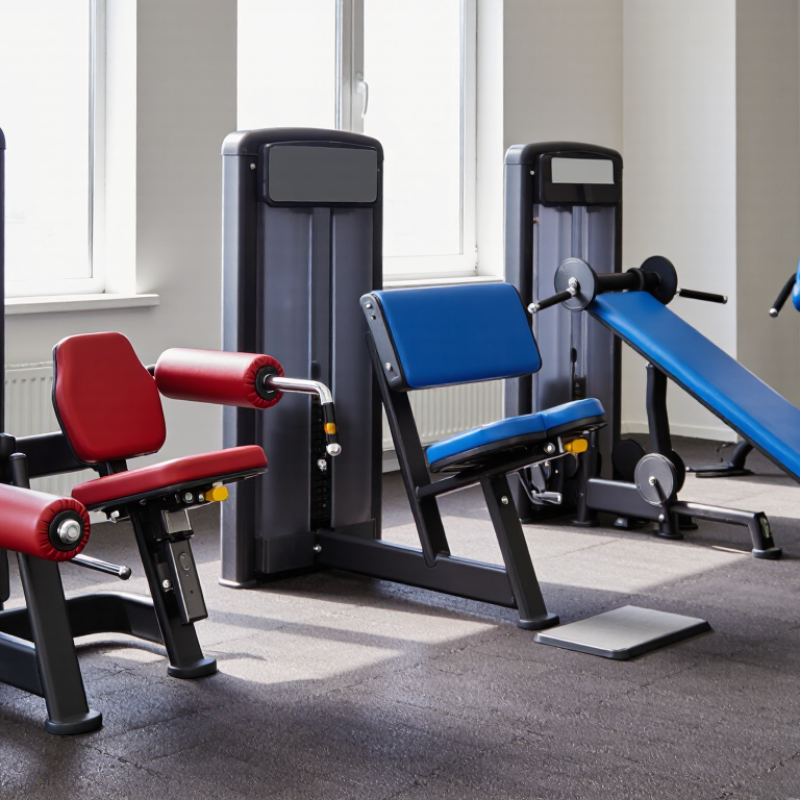
What Are the 2026 Best Posterior Chain Training Machines?

Posterior Chain Anatomy and the Muscles It Includes

The posterior chain is not one muscle group. It is a linked set of muscles along the back of the body: the gluteus maximus, hamstrings, and spinal erectors are central players. The hamstrings cross both hip and knee, helping extend the hip and bend the knee. The glutes drive hip extension, while the spinal erectors help maintain an upright trunk. Calves and upper-back muscles may contribute, depending on how a coach defines the chain. That boundary is not always clear.

Machine choice should reflect these different jobs. A hip-extension machine loads the glutes and hamstrings together; a leg curl emphasizes knee flexion. In a 12-week study, Maeo and colleagues reported about 14% hamstring growth with seated leg curls, compared with about 9% with prone curls. The seated position lengthened the hamstrings at the hip, which may help explain the difference. One study is not a guarantee. Individual response varies.

For practical programming, the American College of Sports Medicine’s 2009 resistance-training position stand describes 8–12 repetitions as a suitable range for many adults developing strength and muscle. It also recommends training major muscle groups two to three times weekly. Treat these as starting points, not laws. A machine should let the hips and knees move comfortably, with controlled repetitions and no sharp pain. The details matter. A machine label cannot tell you which muscles are doing most of the work; setup and technique can change that.

How Posterior Chain Training Machines Work

Posterior-chain machines apply resistance while the hips, knees, or both move through controlled ranges. In a seated or lying leg curl, the hamstrings bend the knees against a padded lever. In a hip-extension machine, the glutes and hamstrings drive the hips backward or upward, depending on the design. Simple mechanics. A cable or weight stack increases the force muscles must overcome; pulleys may change its direction, not the basic task.

The seat, pad, and pivot point matter. Adjust the machine so its pivot roughly aligns with the moving joint, then choose a range that avoids a forced stretch or painful lockout. Use a load that lets you move steadily, without bouncing or arching your lower back to finish repetitions. A slower return can make the lowering phase more controlled, though it does not automatically make an exercise better. Machines provide support and repeatable paths, but they cannot perfectly match every person’s proportions. Bodies differ. If discomfort persists, reduce the range or stop and seek qualified guidance; a machine should challenge working muscles, not cause sharp joint pain.

Machine Types for Training the Glutes, Hamstrings, and Back

The best posterior-chain machines in 2026 are the ones that let you train the glutes, hamstrings, and back with controlled resistance. A hip-thrust machine loads the glutes directly; adjust the pad so it rests across the hips, not the abdomen. At the top, pause briefly without arching your lower back. Small setup errors matter.

For hamstrings, seated leg-curl machines train the muscles while the hips stay flexed, while lying versions offer a different feel and may suit some lifters better. Set the knee joint close to the machine’s pivot, then curl without lifting your hips from the pad. Use a steady return. Heavy weight is not the goal if your torso starts shifting.

Back-extension machines can train the glutes, hamstrings, and spinal erectors, depending on your position and range of motion. Keep the pad below the hip crease, hinge smoothly, and stop when your body forms a straight line. A cable pull-through adds another hip-hinge option with a clear stretch behind the thighs. There is no single winner for every body; comfort, adjustability, and consistent form deserve more attention than complicated features. I would still test the seat and range before choosing. A machine can look ideal and feel awkward after a few repetitions.

How to Compare Machine Design, Adjustability, and Safety

When comparing 2026 posterior-chain machines, look beyond the exercise name. A prone leg curl should support your hips without pressing painfully into your abdomen. A hip-extension machine should let you move through a controlled range without forcing your lower back to arch. The best design feels stable before the first repetition.

Adjustability matters because bodies and limb lengths differ. Check whether the seat, chest pad, foot roller, and starting angle can be changed quickly. Set the roller just above your heel, then test a light load through the full motion. If the machine only fits after awkward repositioning, that is a real drawback. Small details count.

Safety depends on more than sturdy construction. Look for clear weight markings, smooth resistance, secure locking points, and enough room to enter and exit without twisting. A visible stop or adjustable range limiter can help users train within comfortable limits. Ask staff to demonstrate unfamiliar adjustments, and stop if a movement causes sharp pain. Not every feature improves training; extra levers can make setup confusing. Fit matters. A machine may feel solid yet still fail to suit your proportions, so test the movement before judging its specifications.

Choosing a Machine for Your Goals, Space, and Budget

Choosing a posterior-chain machine starts with your main goal, available floor space, and realistic budget. For hip strength, a hip-thrust or cable setup allows focused glute work. Hamstring curls target knee flexion, while a back-extension bench trains hip extension and the spinal erectors. No single machine covers every function equally well.

Space matters. Measure the machine’s footprint and the room needed to move safely around it. A compact bench may suit a small home gym, but it offers fewer adjustments than a larger cable station. For budget-conscious buyers, check load capacity, adjustment points, warranty terms, and whether the machine supports gradual progression. The ACSM’s 2025 Worldwide Fitness Trends survey ranked strength training fifth among reported trends. That ranking reflects industry interest, not proof that one machine is superior.

Tips: Try the movement before buying, if possible. Check that your hips and knees align comfortably with the pads. Leave room for controlled repetitions. A machine can feel awkward at first; that matters. Reassess your choice if it limits your range of motion or becomes a place to hang laundry.

FAQS

Which muscles make up the posterior chain?

The main muscles are the glutes, hamstrings, and spinal erectors. Calves and upper-back muscles may also contribute, depending on how the term is defined.

Which machine can train the glutes and hamstrings together?

A hip-extension machine can load both muscles. Set the pad comfortably across your hips, then move with control.

Are seated or lying leg curls better for hamstring growth?

One 12-week study found greater hamstring growth with seated curls than prone curls. Individual results vary, so one study cannot promise the same outcome for everyone.

How should I set up a leg-curl machine?

Align your knee with the machine’s pivot. Keep your hips against the pad and return the weight steadily. Small details matter.

What does a back-extension machine train?

It can work the glutes, hamstrings, and spinal erectors. Keep the pad below your hip crease and stop when your body forms a straight line.

How many repetitions and weekly sessions are reasonable starting points?

Many adults can start with 8–12 repetitions and train major muscle groups two to three times weekly. These are starting points, not rules.

How can I tell whether a machine suits me?

Check that your hips and knees move comfortably. Test the seat and range of motion before choosing; a machine can feel awkward after a few repetitions.

Should I lift as heavily as possible on posterior-chain machines?

No. Use a load that lets you keep steady form without shifting your torso or arching your lower back. I still find setup easy to underestimate.

Conclusion

This guide explores the 2026 best Posterior Chain Training Machines and how they can support strength training for the muscles along the back of the body. It introduces the posterior chain’s main muscle groups, including the glutes, hamstrings, and back, then explains how resistance machines can help train them with controlled movement and adjustable loading. Common machine types are compared by the areas they target and the kinds of exercises they support.

To choose an appropriate machine, consider more than its exercise options. The guide highlights design, adjustability, user fit, stability, and safety features, as well as practical factors such as available space and budget. By matching these considerations to your training goals and experience, you can narrow down the options and select equipment that fits your routine, surroundings, and long-term strength-training needs.

Clara

Clara

Clara is a professional marketing specialist with a strong understanding of the company’s products, customer needs, and the practical details that matter when choosing the right solution. She regularly contributes expert articles to the company website, sharing clear, useful information that helps......