
Choosing Tactical Fitness Training Equipment is not simply a matter of buying the heaviest or most advanced product. Buyers need equipment that supports realistic training goals, user safety, and consistent performance. A weighted vest should sit securely during movement, while resistance bands should show clear strength ratings and durable stitching. Small details decide.
In practical equipment evaluations, professionals examine materials, load limits, adjustability, storage, and maintenance requirements. These factors influence how reliably equipment performs in home gyms, training facilities, and outdoor environments. A product may look rugged, yet weak stitching or uncomfortable handles can reduce its real value. That distinction matters. Buyers should review manufacturer specifications, warranty terms, and independent testing whenever available. Reputable brands explain intended use clearly and avoid exaggerated performance claims.
Cost also deserves careful thought. The cheapest option may require replacement sooner, while premium equipment is not automatically better. Fit, frequency of use, and training experience should guide the decision. I have seen buyers focus too much on appearance and overlook balance, grip comfort, or cleaning needs. That mistake is easy to make. It is also worth admitting that no single product suits every athlete or training environment. Even well-researched recommendations can miss personal preferences, space limitations, or changing fitness goals. A thoughtful buying process compares measurable features with everyday practicality. Reliable Tactical Fitness Training Equipment should support controlled progress, not encourage careless intensity. When buyers understand these differences, they can choose equipment that remains useful, comfortable, and dependable over time.
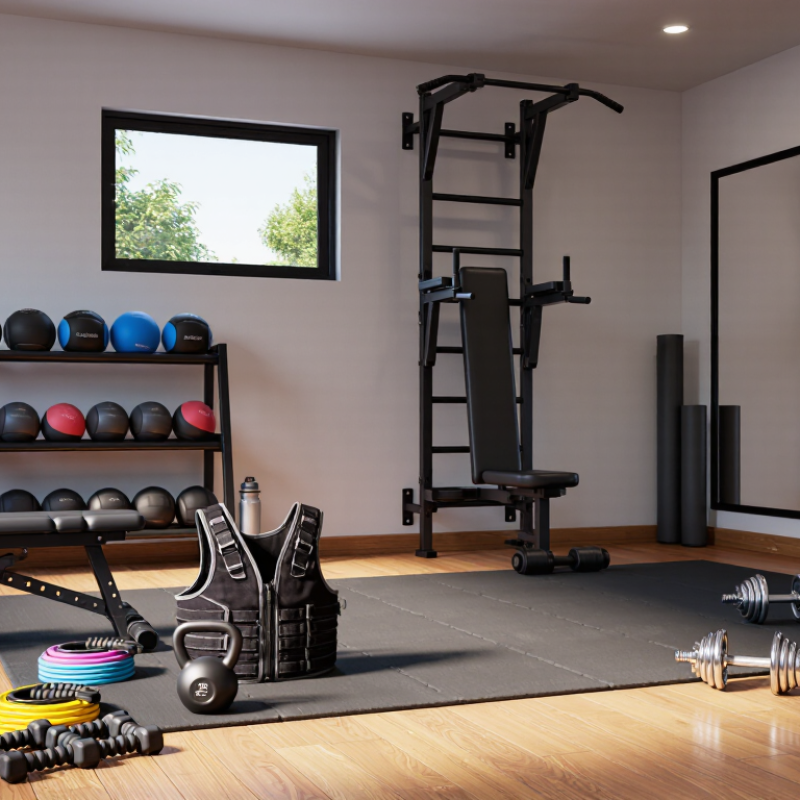
Tactical fitness training equipment matters because it supports realistic, measurable movement under controlled conditions. It should help users build strength, endurance, balance, grip, and load-carrying ability. The equipment is not only for intense workouts. It also supports safe preparation for demanding work, outdoor tasks, and emergency readiness.
What tactical fitness training equipment includes can vary by training goal. Common options include weighted vests, sandbags, kettlebells, sleds, battle ropes, pull-up bars, climbing ropes, agility ladders, and durable exercise mats. Some buyers also choose heart-rate monitors, stopwatches, and adjustable benches for tracking progress. A quality setup should match the user’s space, fitness level, and expected load. Heavy equipment is useful, but poor storage can create avoidable risks. I learned that the hard way after leaving a sandbag in a damp garage.
Tips: Check stitching, handles, fasteners, and surface grip before purchase. Start with manageable resistance, then increase it gradually. Use equipment that allows clear movement and stable footing. If a vest shifts during walking, it may affect posture and reduce training quality. Buyers should also inspect weight labels and care instructions, since actual resistance can change with filling material or wear. Expert guidance is helpful for beginners, especially when training with external loads. Some equipment appears versatile, yet it may not suit every body or training environment.
Equipment quality determines whether tactical fitness training builds capacity or creates avoidable problems. A weighted vest should sit securely, distribute pressure, and remain stable during movement. Handles need firm stitching. Buckles should close cleanly. These details seem minor until a strap slips during a loaded carry. Quality also protects consistency. If equipment changes shape each session, training data becomes unreliable. That weakens both progress and confidence.
Buyers should examine materials, seams, adjustment points, and published load ratings. Look for clear testing information, care instructions, and replaceable components. A reliable seller should explain intended use without exaggerated claims. Independent reviews can help, but they are not enough. Check whether reviewers discuss repeated use, sweat exposure, cleaning, and fit across body types. Cheap equipment may appear efficient, yet early failure can cost more than the original saving. Small details matter.
The best choice matches the user, training space, and realistic workload. A compact area may favor adjustable equipment over bulky tools. Comfort matters too. Pain is not proof of toughness. Buyers sometimes overvalue maximum capacity and ignore control, balance, or recovery. That is an easy mistake to make. Even strong products can fail when stored poorly or used beyond their rating. Inspect equipment regularly, record wear, and replace questionable parts before performance suffers.
Buying tactical fitness equipment should begin with the training goal, not the product’s appearance. A rack can look impressive and still be wrong. Strength development needs stable racks, adjustable loads, and secure storage. Power training needs space for controlled movement, medicine balls, and safe landing surfaces. Conditioning requires equipment that supports repeated intervals without excessive maintenance.
ACSM’s 2024 Worldwide Survey of Fitness Trends ranked wearable technology as the leading trend. This supports using heart-rate monitors or performance trackers when endurance and recovery matter. However, technology cannot replace accurate programming. The 2024 SFIA Topline Participation Report recorded 242.8 million Americans participating in at least one sport or fitness activity. That variety shows why one equipment setup rarely serves every user. Match the tool to the task.
For field-style sessions, measure portability, grip security, noise, and weather resistance. Test adjustment controls while wearing gloves. Check the stated weight capacity, warranty terms, and replacement-part access. Small details become serious during repeated sessions. I have seen buyers overvalue maximum load and overlook floor space. That mistake is common. ACSM data can guide selection, but real movement testing should confirm it. Some equipment still feels awkward after careful planning. Reassess it honestly before expanding the setup.
Buying tactical fitness equipment requires more than checking weight ratings. Buyers should define the training task, available space, and expected users. A weighted vest for stair intervals needs secure adjustment and breathable panels. A sled for grass work needs stable attachment points and low-friction runners. These details affect movement quality, not just convenience. In my equipment evaluations, poor fit often causes more trouble than insufficient resistance. Fit matters.
Durability deserves evidence. Inspect stitching, welds, handles, buckles, and protective coatings. Ask whether replacement parts are available and whether cleaning instructions are practical. Equipment used outdoors faces rain, dust, sweat, and repeated drops. A strong frame can still fail when a grip becomes slippery. Buyers should compare packed weight, noise, storage needs, and unloaded dimensions. Safety matters during partner drills, so rounded edges and predictable load behavior deserve attention. Do not treat marketing language as test data. Test it carefully.
Adjustability is another serious factor. Different body sizes need different settings, especially for harnesses, sandbags, and resistance systems. The best choice should support progression without forcing awkward technique. Consulting qualified coaches can reveal movement problems that product photos hide. Check independent testing, warranty terms, and documented load limits. I have seen buyers overvalue extreme capacity; unused capacity adds cost and bulk. That is worth reconsidering. A practical setup may look less impressive, yet it can encourage more consistent training. Review the equipment after several sessions, because first impressions are incomplete.
Why Tactical Fitness Training Equipment Matters for Buyers?
Proper equipment is not decoration. It controls movement, load, and fatigue during demanding tactical training. A poorly fitted vest can shift during a sprint, forcing the spine to compensate. Worn grip surfaces can also turn a controlled lift into a sudden slip. The U.S. Bureau of Labor Statistics reported over 888,000 workplace injury and illness cases involving days away, job transfer, or restriction in 2023. Not every case relates to training, but the figure shows why risk control deserves attention. Equipment selection should match body size, exercise type, and expected load. It should also remain stable after repeated use. Small details matter.
Performance depends on reliable feedback. A calibrated load, secure flooring, and adjustable resistance help trainees repeat movements accurately. The American College of Sports Medicine identifies progressive overload and proper technique as core principles of effective strength training. Yet equipment cannot replace coaching. I have seen users increase weight too quickly because the setup felt strong, not because their movement was ready. That judgment can fail under fatigue. Buyers should check stitching, fasteners, adjustment points, and maintenance instructions before purchase. Look closely.
Tips: Test equipment with gradual loads. Check fit while walking, squatting, and changing direction. Replace damaged parts early. Record discomfort, slipping, and unusual noise during sessions. These observations may reveal problems that specifications miss.
Reliable equipment keeps loads stable and movements controlled. Loose straps or weak seams can disrupt a loaded carry. Small failures matter.
Check materials, stitching, buckles, adjustment points, and published load ratings. Look for testing details and clear care instructions. Inspect closely.
It should sit securely without restricting breathing or movement. Test it while walking, squatting, and changing direction. Movement reveals problems.
Equipment that changes shape can produce unreliable training data. Stable loads make repeated sessions easier to compare. Progress becomes clearer.
Proper fit reduces shifting during sprints, lifts, and direction changes. Firm grips and secure flooring also reduce sudden slips. Pain is not toughness.
Not always. Control, balance, comfort, and recovery may matter more than maximum capacity. I sometimes overlook this point.
Begin with gradual loads and simple movements. Notice slipping, discomfort, unusual noise, or pressure points. Stop when control declines.
Clean it according to the care instructions and store it away from damaging conditions. Record wear and replace questionable parts early. Do not wait.
No. Equipment supports training, but coaching helps guide technique and progression. A strong setup cannot correct poor movement.
Stop using it beyond the stated rating. Overloading can damage components and reduce stability. Specifications are not suggestions.
Tactical Fitness Training Equipment plays an important role in helping users build strength, endurance, mobility, and practical movement skills. It may include items such as weighted training tools, resistance equipment, agility accessories, load-carrying systems, and recovery aids. Because tactical training can place significant demands on the body, equipment quality matters. Durable construction, comfortable design, reliable performance, and suitable adjustability can help users train consistently while reducing unnecessary equipment-related risks.
Buyers should match their equipment choices to clear training goals, available space, experience level, and expected frequency of use. They should evaluate factors such as material quality, weight capacity, portability, ease of maintenance, user comfort, and overall value rather than focusing only on price. Properly selected equipment supports safer movement, better technique, progressive training, and more efficient performance. A thoughtful purchasing decision ensures that each tool contributes meaningfully to a balanced training program and remains practical for long-term use.