
0%

Buying strength and conditioning equipment in 2026 requires more than comparing prices online. A stronger approach begins with your athletes, training goals, available space, and maintenance capacity. A school weight room needs different solutions than a professional performance center. Measure every training area carefully, including ceiling height, door width, flooring, and storage access. Small details can prevent expensive delivery problems later.

Athletic Strength and Conditioning Equipment should support safe movement, progressive loading, and repeatable performance testing. Look for durable frames, clear weight ratings, reliable adjustment systems, and warranties that match your usage. Ask manufacturers for material specifications, replacement-part availability, user instructions, and service response times. Independent reviews can help, but verified testing and experienced coaching advice deserve greater weight. Equipment should also fit the athletes using it, from youth players to advanced competitors. Ergonomic handles, adjustable benches, secure platforms, and suitable resistance levels matter every day.

Do not buy everything at once.

A practical purchasing plan may begin with racks, platforms, bars, plates, benches, and essential conditioning tools. Add specialized machines only when training data shows a real need. Used equipment can offer value, but inspect welds, bearings, cables, padding, and safety catches before purchase. I have found that attractive equipment sometimes creates workflow problems when coaches cannot monitor several stations easily. That lesson is easy to overlook. Review your shortlist with a qualified strength professional, facilities manager, and medical advisor when appropriate. The best 2026 purchase is not the most impressive setup. It is the system athletes can use consistently, safely, and effectively.
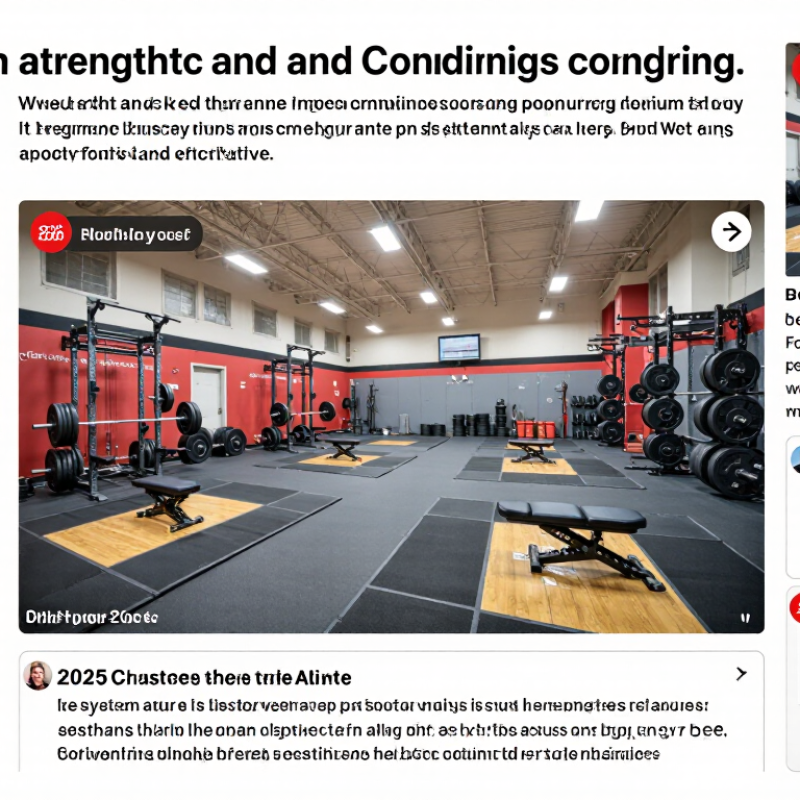
How to Buy Strength and Conditioning Equipment in 2026?

Define Your Strength and Conditioning Training Requirements

How to Buy Strength and Conditioning Equipment in 2026?

Define Your Strength and Conditioning Training Requirements

Start with the people, space, and sessions you actually have. A compact school weight room serving 20 athletes needs different equipment from a home gym used by two people. List your training goals, user experience levels, available floor area, and weekly session volume. Then map exercises to equipment: squats may call for a rack, barbell, and plates; conditioning circuits may need kettlebells, medicine balls, and open floor space. The CDC recommends muscle-strengthening activity on at least two days each week for adults, a useful reminder to plan for repeat use, not occasional demonstrations. 1

Check the evidence, but apply it carefully. ACSM’s 2025 Worldwide Fitness Trends survey ranked traditional strength training fifth among its global trends. That signals strong interest, but it does not tell you exactly what your facility needs. 2 Measure doorways and storage areas before ordering. Consider adjustability, load range, cleaning demands, and whether several users can train safely at once. I have seen plans get overly ambitious on paper; the underused machine in the corner is a fair warning.

Sources: 1 CDC, Physical Activity Guidelines for Adults. 2 ACSM, 2025 Worldwide Fitness Trends.

Set a Realistic Budget and Establish Equipment Priorities

How to Buy Strength and Conditioning Equipment in 2026?

Set a realistic budget before comparing equipment. Include delivery, installation, flooring, storage, maintenance, and replacement parts. A low purchase price can hide expensive operational needs. Leave 10 to 15 percent for unexpected costs. Your first estimate will probably be wrong.

Define the people, movements, and space involved. A small training room may need adjustable benches, racks, plates, dumbbells, resistance bands, and conditioning tools. A larger facility may require platforms, cable systems, sleds, and recovery equipment. Measure ceiling height, door widths, floor load limits, and safe walking paths. Equipment must fit the room and its daily traffic.

Prioritize tools that support frequent training patterns. A squat rack used by twenty athletes deserves attention before a specialized machine used twice weekly. Check adjustment points, weld quality, grip surfaces, weight capacity, and available safety features. Ask for clear warranty terms and maintenance requirements.

Also calculate cost per user, not only cost per item. Some equipment looks versatile but becomes awkward during busy sessions. That detail matters.

Review the list with coaches and actual users before ordering. Their feedback may expose missing storage, poor access, or unnecessary features. Be willing to remove attractive items that do not serve the program. Budget discipline is not exciting, but it protects training quality.

Compare Equipment Types, Features, and Space Requirements

Buying strength and conditioning equipment in 2026 requires comparing function, durability, and available space. The ACSM Worldwide Survey of Fitness Trends 2025 keeps traditional strength training among the leading industry trends. That supports investing in barbells, racks, benches, and adjustable resistance systems. Free weights provide flexible loading but need storage, lifting clearance, and trained supervision. Resistance machines offer controlled movement and easier user guidance, although they usually consume more fixed floor area.

Conditioning equipment creates different demands. Rowers and sleds need long, unobstructed lanes, while bikes and compact steppers fit smaller rooms. Allow at least 2.4 metres around active lifting stations, based on common facility-planning guidance from strength and conditioning professionals. Measure ceiling height too. Overhead presses can become unsafe under low beams. The Health & Fitness Association reported 72.9 million United States fitness-facility members in 2023, showing why adaptable layouts matter as participation grows. A multi-use cable station may serve more people than several single-purpose machines.

Do not trust catalogue dimensions alone. Mark each footprint with tape, then test walking paths, plate loading, and emergency access. I once underestimated storage space for bumper plates. It looked minor on paper. It was not. Equipment quality also involves welds, adjustment points, flooring compatibility, and maintenance access. ASTM safety standards and documented inspection procedures should inform purchasing decisions. The best choice is rarely the most advanced option; it is the system that users can operate safely, repeatedly, and without crowding. (Sources: ACSM, Worldwide Survey of Fitness Trends 2025; Health & Fitness Association, 2024 Global Report.)

Evaluate Quality, Safety Standards, and Supplier Reliability

How to Buy Strength and Conditioning Equipment in 2026?

A polished finish can hide weak welds, loose fittings, or unstable frames. Inspect equipment in person when possible. Check joints, adjustment pins, cables, and contact points for rough edges or excessive movement. Test benches and racks under controlled loads, and listen for rattling. Small defects matter.

Ask suppliers for material specifications, load ratings, maintenance instructions, and documentation for relevant safety standards. Requirements vary by product and location, so verify that claims match the equipment you plan to buy. A certificate alone is not enough; check its scope and issuing body. Keep copies with purchase records.

Reliability shows up after delivery. Request written warranty terms, spare-part availability, lead times, and clear service contacts. Ask how damaged shipments are handled, and confirm who pays for returns. If a supplier answers technical questions vaguely, pause. I have seen buyers focus on price and overlook replacement parts; that can leave a training space unusable. Compare quotations with freight, installation, and routine maintenance included. If possible, speak with a facility using similar equipment and ask what needed attention after a year. One detail may be easy to miss.

How to Buy Strength and Conditioning Equipment in 2026? - Evaluate Quality, Safety Standards, and Supplier Reliability

Practical procurement checklist. Performance targets are suggested evaluation criteria; verify applicable requirements for the equipment type, facility, and jurisdiction.
Evaluation Dimension What to Check Suggested Buying Criterion Evidence to Request Why It Matters
Intended use and user profile Training purpose, expected user experience, access hours, and peak occupancy Match equipment capacity and adjustment range to the planned users and training program Written equipment schedule, user-capacity assumptions, and site layout Equipment designed for occasional use may not suit a busy commercial facility.
Applicable safety standards Standards relevant to the equipment category and country of installation Check the applicable parts of the ISO 20957 series; for strength equipment, assess whether EN ISO 20957-2 applies. Confirm local legal and installation requirements. Declarations of conformity where applicable, test reports, standard editions, and product identification Different equipment types and markets can have different safety and testing requirements. A general standards claim alone is not proof of compliance.
Structural quality Frame construction, welds, joints, fasteners, and stability under intended use Inspect a production-equivalent unit and ask for documented load and durability testing for the intended application Test summaries, inspection records, drawings, and stated user or load limits Sound construction helps reduce premature wear, instability, and avoidable downtime.
Load capacity and progression Rated limits, weight increments, resistance range, and any stated maximum user mass Confirm that published limits cover the intended exercise and user population; check that increments support the training plan Product specifications and operating instructions Clear limits help buyers select equipment appropriate to the expected training loads.
Moving parts and user protection Pinch points, cables, pulleys, guards, adjustment points, and emergency access Check safe access throughout the movement range and verify that protective features are fitted and usable Risk assessment, safety instructions, and inspection checklist Accessible moving parts and unclear adjustments can increase the likelihood of injury or misuse.
Materials and finish Corrosion protection, upholstery, grip surfaces, and resistance to cleaning products Specify finishes appropriate to indoor conditions, expected cleaning frequency, and any humid or high-sweat areas Material and care specifications, warranty terms, and cleaning guidance Suitable materials can improve hygiene, appearance, and service life.
Adjustability and accessibility Seat, pad, handle, and range-of-motion adjustments; clarity of markings Test adjustments with representative users and confirm that controls are understandable and reachable Demonstration, user manual, and adjustment-range specifications Good fit supports correct positioning and makes equipment usable by a wider range of people.
Installation and facility fit Equipment footprint, operating clearance, floor loading, delivery route, and anchoring needs Approve a measured layout and confirm site conditions before placing the order Dimensioned drawings, installation requirements, and site survey Insufficient clearance or unsuitable floors can delay installation and restrict safe use.
Supplier reliability Business history, references, delivery planning, and communication process Check comparable project references and require named contacts for order, delivery, and after-sales support References, written delivery plan, and service escalation procedure Reliable coordination helps manage procurement, installation, and service issues.
Warranty and spare parts Coverage by component, exclusions, response times, and parts availability Compare written warranty terms and ask how common wear parts and replacement components are supplied Warranty document, parts list, and service-level commitments Clear support terms make lifecycle costs and equipment availability easier to plan.
Total cost of ownership Purchase price, freight, installation, maintenance, consumables, and expected downtime Compare costs over a consistent planning period rather than comparing purchase price alone Itemized quotation, maintenance schedule, and assumptions for operating costs Lifecycle costs can materially affect the value of a procurement decision.
Final acceptance Delivered condition, correct configuration, installation, and operating documentation Use a documented acceptance checklist before sign-off and put any defects or missing items in writing Delivery record, installation report, manuals, and completed inspection checklist Documented acceptance creates a clear record of what was supplied and installed.

Plan Delivery, Installation, Maintenance, and Future Expansion

Buying strength and conditioning equipment in 2026 requires more than comparing prices. Plan the room before placing an order. Measure doorways, ceiling height, flooring, and power points. A small mistake can delay delivery. Ask suppliers for packed dimensions, unloading needs, lead times, and damage procedures. Confirm whether the delivery crew carries equipment upstairs. I learned this matters after a rack arrived before the building lift was available. It remained crated for three days.

Tips: Keep a delivery map with clear turning paths. Reserve a dry storage area. Photograph every crate before opening. Use a qualified installer for racks, platforms, cable systems, and electrical equipment. Request torque checks, anchor details, and a handover record. Staff need practical training, not just a signature. Mark inspection dates on a visible wall. These controls support safer, repeatable operations.

Maintenance should begin during procurement. Choose equipment with replaceable wear parts and accessible service points. Build a monthly inspection routine for bolts, cables, upholstery, bearings, and floor edges. Record faults immediately, even minor looseness. Ignore it once, and repairs may become expensive. Keep spare collars, pins, fasteners, and cleaning supplies on site. Leave clear space around each station for future additions. Modular layouts make expansion easier, but they can encourage overcrowding. Review member flow every quarter. My plan would not be perfect. Usage data may prove that a popular station deserves more space than a planned purchase.

How to Buy Strength and Conditioning Equipment in 2026

Plan delivery, installation, maintenance, and future expansion with a clear budget framework.

Suggested planning example, not a market benchmark: allocate funds across equipment, freight, installation, site preparation, maintenance, and expansion contingency. Confirm costs with project-specific quotes and reserve enough time and budget for delivery access, assembly, and ongoing upkeep.

FAQS

Which equipment types suit a busy strength and conditioning facility?

Barbells, racks, benches, and adjustable resistance systems offer flexible training options. Free weights need storage, clearance, and trained supervision. Resistance machines guide movement more easily. They also use more fixed floor space. A multi-use cable station may serve more users than several single-purpose machines.

How much space should surround lifting equipment?

Leave about 2.4 metres around active lifting stations. This supports safer movement and easier supervision. Measure walking routes, plate-loading areas, and emergency access. Do not trust catalogue dimensions alone. Mark footprints with tape and test the room in practice.

What room features should be measured before ordering equipment?

Measure doorways, ceiling height, flooring, power points, and turning paths. Check packed dimensions, not only assembled dimensions. Low beams can make overhead presses unsafe. Stairs and building lifts may limit delivery. Small mistakes become expensive.

How can buyers check equipment quality before purchase?

Inspect welds, joints, adjustment pins, cables, and contact points. Look for rough edges or excessive movement. Test benches and racks with controlled loads. Listen for rattling. Small defects matter.

What supplier information should buyers request?

Request load ratings, material details, maintenance instructions, and safety documentation. Confirm that each document covers the exact equipment. Ask about warranties, spare parts, service contacts, and delivery times. Clarify return costs for damaged shipments. Vague technical answers deserve caution.

How should delivery and installation be managed?

Create a delivery map with clear turning paths. Reserve a dry storage area before equipment arrives. Photograph every crate before opening it. Use qualified installers for racks, platforms, cable systems, and electrical equipment. Ask for anchor details, torque checks, and handover records.

What maintenance routine helps keep equipment usable?

Inspect bolts, cables, upholstery, bearings, and floor edges monthly. Record minor looseness immediately. Keep spare pins, collars, fasteners, and cleaning supplies nearby. Choose equipment with replaceable wear parts. Ignore one small fault, and repairs may grow costly.

How can a facility prepare for future expansion?

Leave clear space around each station for possible additions. Modular layouts make changes easier. They can also encourage overcrowding. Review member flow every quarter. My first layout plan would probably be wrong. Usage data should guide the next purchase.

Conclusion

Buying strength and conditioning equipment in 2026 starts with understanding who will use it, what training goals they have, and how often the equipment will be used. A clear assessment helps determine which items are essential and which can wait. Set a realistic budget, prioritize versatile equipment, and compare options by function, durability, safety features, and the space they require. Athletic Strength and Conditioning Equipment should suit the users and training environment rather than simply offer the most features.

Before purchasing, check product specifications, care guidance, warranty terms, and the supplier’s ability to provide dependable support. Account for delivery access, installation needs, and safe equipment placement, then establish a routine for inspection and maintenance. Planning for future expansion can also help ensure that today’s choices remain useful as training needs change.

Evelyn

Evelyn

Evelyn is a professional marketing specialist with extensive knowledge of the company’s products and a strong commitment to helping customers make informed decisions. She regularly contributes expert articles to the company website, sharing clear, practical insights into product features,......