
0%

A commercial gym needs weight racks that handle daily loading, keep walkways usable, and support a consistent training experience. Yet choosing a branded model involves more than adding a logo to a steel frame. Capacity, footprint, storage layout, finish, and access to replacement parts all affect long-term value. Coaches also need clear sightlines and predictable plate placement during busy sessions. Looks matter. So does fit. Custom Branded Weight Racks can reinforce a gym’s identity while making equipment zones easier for members to recognize. But branding cannot compensate for unstable construction, awkward loading, or dimensions that crowd neighboring stations.

This guide compares seven options for commercial settings, focusing on practical features rather than appearance alone. Each selection should be judged against the gym’s floor plan, expected traffic, plate inventory, and maintenance routines. Where product details vary, buyers should confirm load ratings, materials, warranty terms, and customization limits directly with the supplier. That check matters. A boutique studio may need a compact unit. A strength facility may prioritize higher storage capacity. No single design fits every gym, and product photos rarely show how a rack feels during a crowded evening session. Before ordering, measure clearances with loaded bars and account for cleaning access around the base. The right choice balances safety, workflow, durability, and visible brand presence. There may be compromises.
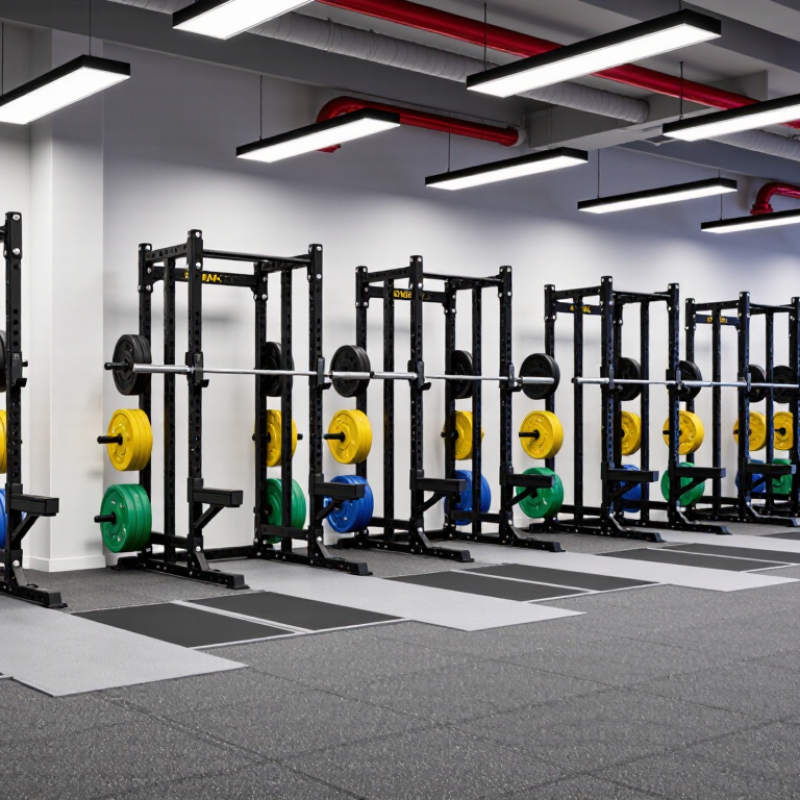
7 Best Custom Branded Weight Racks for Commercial Gyms

Understanding Custom-Branded Weight Racks for Commercial Gyms

Custom-branded weight racks do more than display a gym’s identity. They shape how members store plates, move between stations, and share floor space. A useful design begins with the room, not the logo. Measure ceiling height, aisle widths, and nearby equipment. Small details matter. A rack that looks clean in a rendering may feel cramped once benches and lifters are in place.

Branding can appear through powder-coat color, laser-cut lettering, or discreet plaques. The method should suit daily contact with chalk, sweat, and cleaning products. Ask how finishes are tested and how damaged areas can be repaired. Keep the mark readable, but do not let decoration obscure load labels or inspection points. Safety first. Storage layout should match the plates members actually use, with enough clearance for hands and collars.

Commercial buyers should confirm rated capacity, anchoring needs, weld quality, and warranty terms in writing. Have a qualified installer review the floor and mounting plan before delivery. These checks are practical, not glamorous. Custom work can bring longer lead times and less-standard replacement parts, a trade-off that is easy to overlook. Request drawings and a finish sample. During a peak-hour walk-through, note where members pause, turn, or reach across another station.

Key Features to Compare Before Choosing a Weight Rack

When comparing custom branded weight racks, start with fit and load—not color. Measure the floor footprint, ceiling clearance, and space needed to retrieve plates without blocking walkways. Check the rack’s rated capacity, steel thickness, weld quality, and anchoring requirements. Ask for written load specifications; appearance alone tells you little.

The 2025 ACSM Worldwide Survey ranked traditional strength training fifth among global fitness trends. That popularity makes storage, access, and durability practical concerns for busy facilities. IHRSA’s 2023 U.S. Health & Fitness Consumer Report counted 72.9 million club members in 2022, underscoring the potential for frequent equipment use. Compare hole spacing, attachment compatibility, plate storage, and finish resistance to sweat and cleaning products. Branding should remain visible without covering inspection points or safety labels. A bright finish looks sharp, but it can distract from the details that matter more.

Tips: Place a tape outline on the floor before ordering. Test reach and plate clearance with the heaviest users in mind. Ask for a sample finish and a maintenance schedule. One easy mistake is choosing a rack for its logo placement, then discovering that daily loading feels awkward. Recheck your assumptions.

How to compare weight racks: Peg count is one useful capacity indicator, but actual capacity depends on the rack’s design and load rating. Before choosing, compare footprint, rated load, plate compatibility, adjustability, floor anchoring, and available customization. Counts below show example layouts, not product specifications.

Seven Custom-Branded Weight Racks for Different Gym Needs

A commercial gym can choose a weight rack to match its floor plan, equipment mix, and training style. A vertical plate tree suits compact rooms, keeping bumper plates sorted by size. A dumbbell rack places pairs within easy reach, while a barbell rack separates bars to protect sleeves and reduce clutter. Each can carry a subtle custom logo on its end panel or upright.

For busy strength areas, a combination rack stores plates and bars together, though it needs enough clearance for safe loading. A wall-mounted rack frees floor space in small studios, but the wall must be checked for suitable structure and secure installation. A modular rack works well for gyms that expect their equipment needs to change; sections can be added as the collection grows. Not every room benefits from more storage. Sometimes a rack simply crowds the lifting zone.

A heavy-duty Olympic plate rack is suited to high-traffic areas with frequent plate changes. Look for clear load ratings, stable feet, durable finishes, and edges that do not snag hands or clothing. Custom colors and signage can help members return equipment to the right place, but visibility matters more than decoration. Small details count. Check how plates sit on the pegs, and leave enough room for members to move safely around the rack.

7 Best Custom-Branded Weight Racks for Commercial Gyms — Seven Custom-Branded Weight Racks for Different Gym Needs

Rack Type Best For Typical Storage Approximate Footprint Custom Branding Opportunity Key Consideration
Two-Tier Dumbbell Rack General-purpose strength areas and small to mid-size gyms Multiple pairs of dumbbells arranged by weight on two angled shelves About 48–72 in. wide × 24–30 in. deep Add a logo panel to the front or end frame Check shelf length, weight range, and rack load rating against the dumbbell set.
Three-Tier Dumbbell Rack Busy commercial gyms that need more dumbbell storage in a compact floor area Several pairs of dumbbells across three levels About 48–72 in. wide × 24–30 in. deep Use a branded front panel or color accents on the frame Confirm that the rack height and shelf angles allow safe access to the top tier.
Vertical Dumbbell Rack Studios and facilities with limited floor space A compact selection of dumbbell pairs stored vertically About 18–30 in. wide × 18–30 in. deep Place a small logo plate on the upright or base Capacity is usually lower than that of long horizontal racks; verify compatibility with dumbbell shape and handle size.
Weight Plate Tree Free-weight zones needing convenient plate access near benches or racks Weight plates stored on several pegs around a central upright About 24–36 in. wide × 24–36 in. deep Add a branded badge to the upright or base Match peg diameter to the plates and distribute plate weight evenly across the base.
Horizontal Weight Plate Rack Strength rooms with larger plate collections or organized training stations Weight plates stored on horizontal pegs or rails About 36–72 in. wide × 18–30 in. deep Brand a side panel or the visible front of the frame Confirm peg spacing and diameter suit the plate openings and the available floor layout.
Vertical Barbell Storage Rack Gyms that want to keep barbells upright and clear of the floor Several barbells held vertically in individual slots About 18–30 in. wide × 18–30 in. deep Add a logo panel to the rack base or upright Check slot spacing and protective liners to help prevent bar contact and finish damage.
Combined Plate and Bar Storage Rack Multi-purpose training areas that need plates and bars stored together Weight plates on pegs, with designated holders for barbells About 36–60 in. wide × 24–36 in. deep Use a larger side panel for visible gym identification Review the loaded footprint, total weight rating, and access to each storage position.

Dimensions are approximate examples for planning; actual sizes, storage capacity, and load ratings vary by model. Confirm specifications and floor clearances before purchase.

Branding, Materials, and Configuration Options

A custom weight rack should fit the gym’s daily workflow, not just its visual identity. Powder-coated steel handles frequent use and comes in practical colors, while stainless steel can suit areas where wipe-downs are especially common. Ask about tube thickness, weld quality, and the rated load before comparing finishes. Small details matter. A logo can appear on an end panel or discreetly along the uprights, where it stays visible without covering adjustment labels. Avoid placing graphics near contact points, where repeated handling may cause premature wear.

Tips: Request a finish sample and check it under your gym’s lighting. Confirm how branded panels attach and whether they can be replaced. Measure ceiling height, aisle width, and plate clearance before choosing a configuration.

Configuration choices affect both access and capacity. A compact vertical rack can preserve floor space, but members may find plates harder to reach during busy periods. Horizontal storage offers easier access and clearer weight separation, though it uses more floor area. Mixed configurations can balance these needs. Consider plate diameter, storage pegs, spacing, and room for a bench or barbell nearby. One detail is easy to miss: a rack may look spacious when empty, then feel crowded once plates and people are in place. Test the layout with typical equipment before approving production drawings.

Planning Installation, Safety, and Long-Term Maintenance

Plan the rack layout around real traffic, not an idealized floor plan. Mark the footprint with tape, then check bar paths, plate-loading space, accessible routes, and sightlines before drilling. Confirm the floor’s load capacity and anchoring method with a qualified building professional; concrete thickness and reinforcement can vary across one room. Custom graphics should not cover inspection points, adjustment labels, or warning information. Small details matter.

The U.S. Bureau of Labor Statistics recorded 2.6 million nonfatal workplace injuries and illnesses in private industry in 2023. That figure does not measure gym-member injuries, but it underlines why installation and staff procedures deserve attention. Train staff to recognize loose hardware, cracked welds, unstable feet, and damaged finish near high-contact areas.

Keep records. A simple log can include inspection dates, findings, repairs, and the person responsible. Follow the rack maker’s specified fastener checks and cleaning instructions; avoid tightening bolts by guesswork, which can damage threads or joints.

Review the rack after relocation, floor repairs, or impact. Weekly checks may feel excessive in a quiet room, but busy facilities often miss small changes until equipment moves. Keep a spare set of approved fasteners, not improvised replacements.

FAQS

What should I measure before choosing a weight rack?

Measure the floor footprint, ceiling height, aisle width, and space needed to remove plates. Use floor tape to test the layout.

Which rack type works best in a compact gym?

A vertical plate tree uses little floor space and keeps plates sorted by size. Heavy plates may be harder to reach during busy periods.

What should I check for safety and durability?

Review the written load rating, steel thickness, weld quality, stable feet, and anchoring needs. Appearance alone tells you little.

How can I compare vertical and horizontal plate storage?

Vertical storage saves floor space. Horizontal storage makes weights easier to see and reach, but it takes up more room.

Where should custom graphics go on a rack?

Place them on an end panel or upright, away from inspection points, labels, and contact areas. Scratches happen.

How can I tell whether a finish suits my gym?

Request a sample and inspect it under your gym’s lighting. Check resistance to sweat and cleaning products.

What details matter when storing bars and plates together?

Check attachment compatibility, peg spacing, plate clearance, and room to move around the rack. Test it with typical equipment.

How can I avoid a cramped layout?

Try the planned setup with plates, a bench, and people nearby. An empty room can be misleading. Recheck the spacing.

Conclusion

This guide explores how Custom Branded Weight Racks can help commercial gyms organize training areas while reinforcing a consistent visual identity. It explains the main rack styles and intended uses, then outlines features to compare before choosing, including capacity, footprint, adjustability, storage layout, construction, and compatibility with the gym’s equipment and available space. Seven rack options are considered for different facility needs, from compact training zones to larger, high-traffic weight rooms.

The article also reviews branding and configuration choices, such as finishes, colors, logo placement, and practical storage arrangements. It concludes with planning considerations for installation, including suitable placement, stable setup, clear access, and adherence to the manufacturer’s guidance. Routine inspections and maintenance can help keep racks in good condition over time. Together, these points offer gym operators a practical framework for selecting weight racks that fit their space, training needs, and long-term plans.

Clara

Clara

Clara is a professional marketing specialist with a strong understanding of the company’s products, customer needs, and the practical details that matter when choosing the right solution. She regularly contributes expert articles to the company website, sharing clear, useful information that helps......