
High-performance weight plate racks, strength training stations, and commercial gym solutions engineered for high-volume athletic facilities.
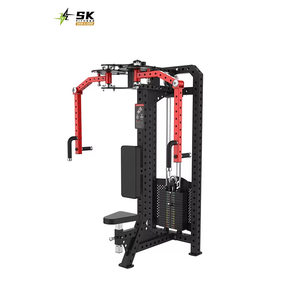
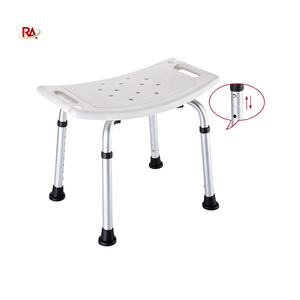
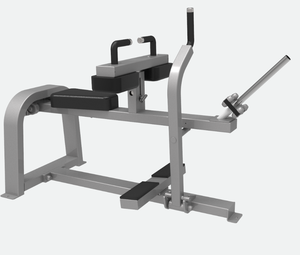
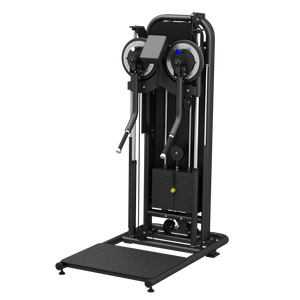
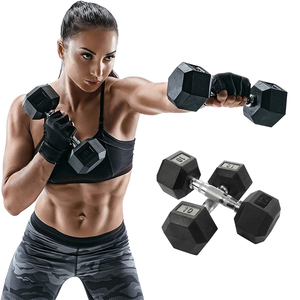
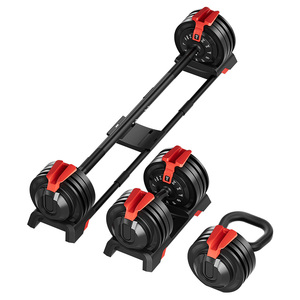
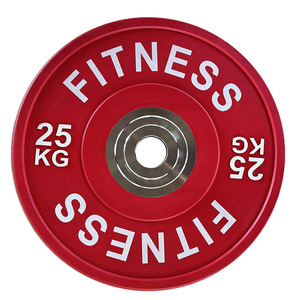
In high-traffic strength facilities, collegiate training centers, and commercial fitness clubs, the structural integrity of free weight storage infrastructure is a crucial factor in facility safety, workflow efficiency, and capital investment optimization. A weight plate rack is far more than a passive steel frame; it is an engineered load-bearing asset subjected to constant dynamic impact, concentrated mass distribution, and abrasive friction.
Top-tier weight plate rack suppliers utilize heavy-duty 7-gauge to 11-gauge structural steel tubing (ranging from 3.0mm to 4.5mm wall thickness). Cheap retail alternatives rely on 14-gauge or 16-gauge sheet metals that deform under multi-ton cumulative weight loading. When sourcing from a verified weight plate rack factory, procurement specialists must evaluate structural yield strength, base footprint stability, load distribution calculations, and surface finishing technologies.
Technical Insight: Institutional grade storage racks must adhere to ASTM F2276 structural safety standards for fitness equipment. Racks engineered with a minimum 4:1 structural safety margin ensure zero deflection or frame fatigue even when fully loaded with cast iron or urethane bumper plates exceeding 2,000 lbs (907 kg).
Laser CNC cut 3" x 3" or 2" x 3" steel uprights welded with full-penetration robotic MIG joints ensure permanent frame alignment without stress fracturing over decades.
Dual-stage electrostatic powder coating with zinc-rich anti-corrosion primer withstands severe salt-spray tests and heavy metal-on-metal weight plate impact.
Storage horns sleeved with high-density polyurethane (HDPE) or hard chrome sleeves prevent paint chipping, metal flaking, and rust generation inside weight plate hubs.
As a leading commercial strength equipment manufacturer, our production lines bridge the gap between heavy industrial fabrication and elite athletic facility design. We operate turnkey production facilities in Jefferson, Iowa, and partner with global manufacturing hubs to provide customized OEM (Original Equipment Manufacturer) and ODM (Original Design Manufacturer) solutions for brand owners, athletic directors, and equipment distributors worldwide.
Modern athletic facilities demand customized identity integration. Our factory enables custom laser-cut brand plates, precision CNC logo engraving, and custom powder coat color matching based on Pantone or RAL standards. Whether equipping an NFL facility like the Detroit Lions training center, collegiate powerhouses like Georgia Tech, or commercial gym chains, our facility planning division delivers bespoke layouts optimized for space efficiency and group training throughput.
| Storage Rack Category | Structural Specification | Max Load Capacity | Target Facility Application |
|---|---|---|---|
| Vertical Weight Tree (A-Frame) | 11-Gauge 2x3 Steel Tube, 6-Peg Chrome Sleeves | 1,200 LBS (544 KG) | Commercial Studios, Boutique Fitness, Home Gyms |
| Horizontal Toaster Rack | 7-Gauge Sheet Steel Base, Divider Slots with Wheels | 1,500 LBS (680 KG) | Olympic Weightlifting Platforms, Cross-Training Boxes |
| Mass Storage Rack (3-Tier Multi-Use) | 3x3 11-Gauge Uprights, Flat & Angled Tray Shelf | 2,500 LBS (1,133 KG) | Collegiate Weight Rooms, Tactical Military Facilities |
| Power Rack Storage Extensions | 3x3 11-Gauge Integrated Peg Posts with UHMW Liners | 3,000 LBS+ (1,360 KG+) | Professional Sports Performance Centers, High Schools |
The global commercial fitness equipment market is experiencing a structural shift toward multi-functional, space-optimized, and modular storage hardware. Facilities can no longer afford wasted floor space caused by single-purpose storage trees. Procurement managers and commercial equipment buyers are prioritizing systemic flexibility, sustainability, and dynamic ergonomic access.
Gym real estate costs per square foot have surged globally. Facilities require weight plate racks that double as functional training anchors. Hybrid storage systems that integrate bumper plate dividers, dumbbell trays, kettlebell shelves, and medicine ball rails into a single perimeter wall unit maximize central floor space for movement-based training.
Leading commercial facilities and university athletic departments are testing RFID-embedded weight plate racks. Embedded sensors monitor equipment return compliance, weight usage telemetry, and automatic inventory auditing, reducing lost plates and ensuring facility safety compliance.
Traditional weight trees placed lower plate pegs near floor level, forcing strength coaches and athletes into compromised lower-back loading positions during weight changes. Future-ready rack designs feature elevated bottom peg clearance (minimum 16 inches from ground level) and staggered horn geometry to prevent finger pinching during high-volume loading.
When procuring commercial strength equipment and weight plate storage racks, purchasing decisions based solely on initial unit cost frequently lead to higher long-term expenditure. Lower-grade import racks suffer from premature paint chipping, structural sleeve bending, weld joint cracking, and high replacement frequency.
Direct supplier sourcing eliminates 20%-40% broker markups. Direct factory oversight guarantees strict compliance with raw material metallurgy certificates (MTC).
Chrome-plated or stainless steel horns outperform powder-coated horns by 500% in scratch resistance, eliminating metal flaking and rust spots in humid gym environments.
Modular bolt-together architectures allow facilities to replace individual wear components (such as rubber bumpers or foot covers) without discarding whole units.
For commercial facilities, high schools, universities, and tactical centers, we strongly recommend 11-gauge (3.0mm thickness) structural steel tubing as the absolute minimum. Critical load-bearing gussets should utilize 7-gauge (4.5mm) plate steel. Racks using 14-gauge or thinner steel are intended for light residential use and will deform under heavy commercial bumper plate usage.
Yes. Our factory provides comprehensive OEM custom branding services. We offer custom powder coat colors (matching RAL or Pantone color codes), custom vinyl upholstery logos, laser-cut steel logo plates welded to frame headers, and custom-colored rubber bumper rings for storage pegs.
Standard inventory models ship within 1 to 2 weeks. Custom OEM/ODM orders, bulk institutional orders, or complete facility outfitting projects typically carry a production lead time of 4 to 6 weeks, depending on powder coat color requirements and laser-cutting branding specifications.
All our commercial weight plate storage horns are engineered with a standard 48.5mm to 49.5mm diameter sleeve, specifically designed to fit all standard 2-inch (50mm) Olympic plate centers, competition bumper plates, rubber hex plates, and cast iron plates with precise clearance tolerance.
To ensure zero transit damage, items are packed using heavy-duty flat-pack knock-down (KD) architecture, encased in high-density foam padding, wrapped in moisture-barrier plastic film, and secured inside reinforced wooden crates or heavy corrugated master cartons on ISPM-15 compliant heat-treated pallets.
Request factory-direct pricing, custom CAD facility layout proposals, or technical product documentation from our engineering team today.
Contact Us