
Explore our industrial-grade commercial plate-loaded and pin-selected strength workstations designed for elite athletic facilities, high schools, universities, and commercial fitness centers.
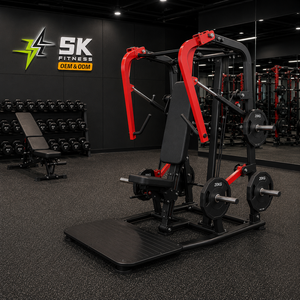
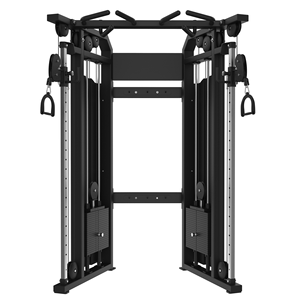
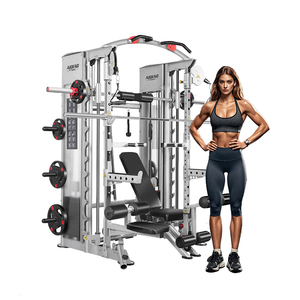
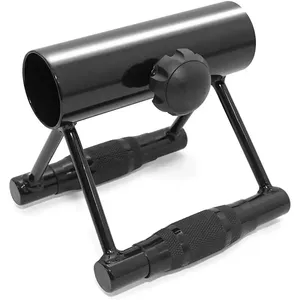
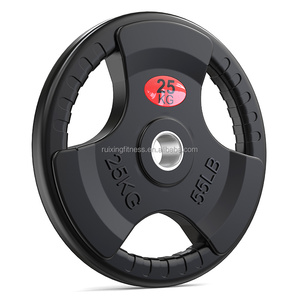
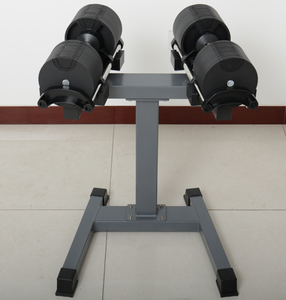
When selecting a Lat Pulldown Machine for high-volume commercial fitness clubs, university weight rooms, or tactical conditioning hubs, equipment procurement officers must look beyond simple aesthetics. Modern biomechanical engineering prioritizes optimal muscular isolation of the latissimus dorsi, upper back, and rhomboids while minimizing stress on the anterior shoulder capsule and acromioclavicular (AC) joints.
Leading international manufacturing standards dictate that a commercial-grade pulldown station must deliver a diverging or smooth linear cable trajectory. Mechanical advantage ratios typically range from 1:1 for direct heavy load resistance to 2:1 for high-speed velocity work. The mechanical cable-pulley system must eliminate initial friction lag, guaranteeing a constant resistance curve throughout the entire range of motion—from full overhead lengthening to deep scapular depression and adduction.
Inferior suppliers often use zinc-coated steel cables running inside plastic sheaves. Commercial-grade systems, however, incorporate 7x19 strand military-grade aircraft cables jacketed with self-lubricated nylon, moving across CNC-machined aluminum alloy pulleys fitted with sealed Japanese NSK precision bearings. This setup drops the friction coefficient to less than 0.02, maximizing force transfer efficiency and extending cable fatigue life to over 250,000 cycles.
All load-bearing uprights are joined via automated robotic MIG/TIG welding processes, achieving deep weld penetration compliant with AWS D1.1 structural steel coding.
Formed from premium 3" x 3" (75 x 75mm) 11-gauge Q235/Q355 cold-rolled structural steel tubing, designed to sustain maximum static weight loads exceeding 1,500 lbs.
A 21-step surface preparation process followed by a thermosetting zinc-rich primer and anti-scratch electrostatic powder topcoat ensures long-term resistance to corrosion and sweat.
The total cost of ownership (TCO) for gym equipment suppliers and facility procurement teams depends directly on factory-level quality control. Commercial strength machinery in institutional weight rooms must endure 12 to 16 hours of daily high-impact use. Below is an engineering audit comparison showcasing the structural differences between institutional-grade lat pulldown equipment and low-cost commercial alternatives.
| Specification Parameter | Institutional Heavy-Duty Grade | Light Commercial Grade | Standard Retail Grade |
|---|---|---|---|
| Frame Material | 11-Gauge (3.0mm) Cold-Rolled Steel | 14-Gauge (2.0mm) Steel Tubing | 16-Gauge (1.5mm) Welded Steel |
| Cable System | 7x19 Galvanized Aircraft Cable (4200 lbs) | 7x7 Coated Cable (2000 lbs) | Standard PVC Jacket Cable (1000 lbs) |
| Pulleys | CNC Machined Aluminum w/ Sealed Bearings | Fiberglass Reinforced Nylon | Injection Molded ABS Plastic |
| Weight Stack Material | Precision Machined Solid Steel Plates | Cast Iron Stack Plates | Cement / Plastic Filled Stacks |
| Upholstery & Foam | Rebonded 100kg/m³ Foam w/ Anti-Microbial PU | Medium Density Molded Foam | Standard Soft Sponge w/ PVC Vinyl |
| Certification Standard | EN 957-2 Class S, ISO 20957 Compliance | EN 957 Class H | General Consumer Safety Only |
As verified by international gym safety standards (ISO 20957-2), lat pulldown and cable traction workstations must incorporate dynamic stopper mechanisms, integrated stack shields, and quick-locking pin selectors to mitigate buyer liability and protect users from accidental pin slippage.
As the commercial fitness sector shifts toward data-backed strength training and hybrid facility footprints, equipment exporters and manufacturers are introducing modern engineering advancements to satisfy evolving institutional tenders:
Future-ready pin-loaded lat pulldown stations are now being built with optical linear encoders and Bluetooth-enabled sensors embedded inside the weight stack shroud. This technology allows athletes and strength coaches to measure rep velocity, power output in watts, and total volume load in real-time, syncing metrics straight to performance management software.
To optimize floor space efficiency in modern athletic centers, demand for dual-function Lat Pulldown & Seated Low Row Combination Machines has grown significantly. High-efficiency selectorized systems allow seamless switching between overhead pulling and horizontal rowing without requiring cable changeovers, preserving cable tension integrity and accelerating workout transitions.
B2B fitness procurement guidelines across Europe and North America now evaluate environmental compliance. Leading exporters utilize zero-VOC powder-coating lines, 100% recyclable steel alloys, and eco-friendly protective packaging materials to satisfy strict carbon reduction mandates (ISO 14001 certification).
With decades of specialized strength equipment design, welding, powder coating, and upholstery assembly, our manufacturing infrastructure delivers custom-branded strength suites trusted by high schools, universities, professional sports franchises, and military installations worldwide.
We offer custom laser-cut logo plates, custom powder-coat frame color matching, and custom upholstery stitching to represent your program's brand identity.
Our experienced export logistics management guarantees containerized shipping, tariff classification compliance, customs documentation, and door-to-door global delivery.
Our architectural team provides full 2D layout planning and 3D realistic rendering services to optimize station flow, athlete safety, and floor footprint utilization.
Key answers to standard engineering, warranty, and bulk procurement questions from athletic directors, facility managers, and regional equipment distributors.
Work directly with our strength facility specialists to receive factory-direct pricing, custom CAD layouts, and tailored equipment quotes for your program.
Get a Quote