
Direct OEM & ODM Factory Export Solutions Designed for Professional Weightlifting, Collegiate Facilities, and Commercial Gym Chains.
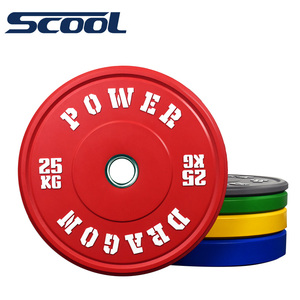
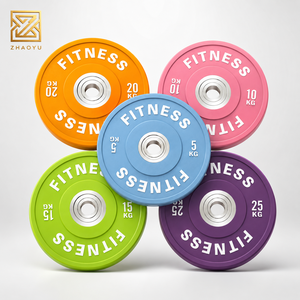
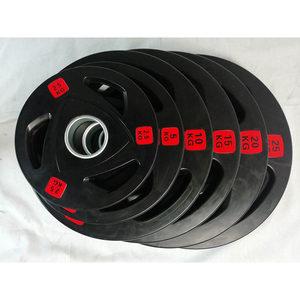
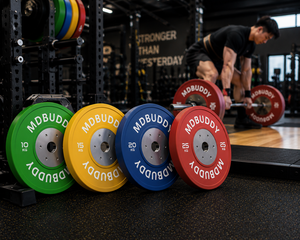
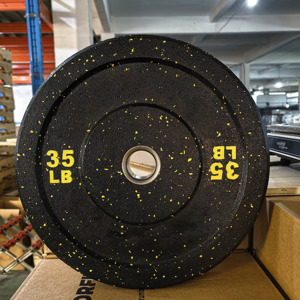
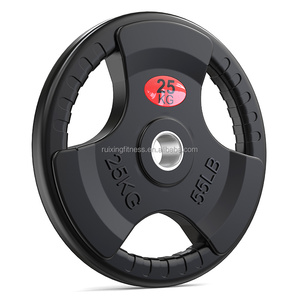
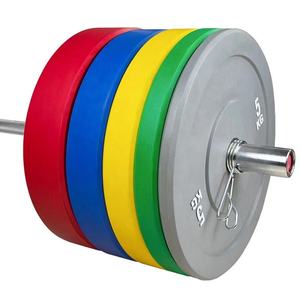
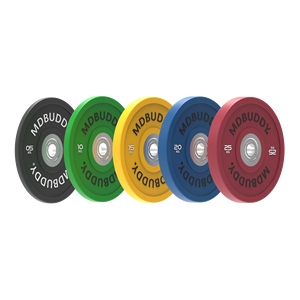
In the rapidly evolving global commercial fitness market, procurement officers, institutional buyers, and athletic directors face unprecedented challenges when sourcing free-weight equipment. Competition bumper plates represent the pinnacle of strength equipment engineering. Unlike standard training bumpers or cast-iron weight plates, competition-grade bumper plates require exact dimensional tolerances, meticulous weight calibration (+/- 10 grams), robust metallurgy, and high-durometer vulcanized virgin rubber formulations to withstand high-impact drops from overhead positions.
This institutional whitepaper provides a comprehensive technical audit of top-tier competition bumper plate manufacturing standards, global supply chain exporter criteria, material physics, and upcoming trends. By bridging the information gap between tier-one OEM factories and institutional purchasing bodies, this guide serves as a definitive resource for high-volume procurement decision-making.
A true competition bumper plate must balance structural rigidity with kinetic energy absorption. Lower-tier commercial plates utilize recycled SBR rubber with high filler ratios, resulting in excessive bounce, structural degradation around the center steel disc, and off-center weight distribution that alters barbell rotation during Olympic lifts.
Understanding the Material Science, Vulcanization Chemistry, and Hub Structural Mechanics of Top Exporters.
Premier factories utilize 100% virgin natural rubber (NR) blended with proprietary anti-aging compounds. This achieves a Shore A Durometer rating between 88 and 94, producing a minimal, predictable dead-bounce that protects gym flooring and Olympic bars while preventing rubber-to-metal delamination.
The internal core of a competition plate relies on heavy-gauge carbon steel or solid chrome-plated steel discs. Precision CNC machining guarantees that weight is distributed symmetrically around the center hub, preventing lateral rotational wobble when the barbell is spun at speed during snatch or clean movements.
To eliminate sleeve separation—the primary failure point in commercial gym settings—leading exporters incorporate multi-bolt interlocking hub designs. Steel bolts extend through the inner core plate, mechanically locking the rubber body between two heavy outer chrome flanges rather than relying solely on chemical adhesives.
When auditing potential manufacturing partners, technical buyers must evaluate factories based on rigorous international metrics. Below is a comparative breakdown of key manufacturing specs required for commercial and competitive applications.
| Performance Metric | IWF Competition Bumper Plates | Commercial Training Bumpers | Budget Fitness Bumpers |
|---|---|---|---|
| Weight Calibration | ± 10 grams (Strict Certification) | ± 1% to 2% of stated weight | ± 3% to 5% variance |
| Durometer Rating (Hardness) | 90 - 94 Shore A (Dead Bounce) | 80 - 87 Shore A (Medium Bounce) | 70 - 78 Shore A (High Bounce) |
| Collar Opening Diameter | 50.4mm + 0.1mm / - 0.0mm | 50.6mm - 50.8mm | 51.0mm+ (Loose fit) |
| Inner Hub Construction | CNC Machined Steel Discs with Chrome Flanges | Pressed Stainless Steel Insert Sleeve | Single Brass or Thin Steel Insert Ring |
| Drop Testing Validation | 30,000+ drops at 2.2m elevation | 10,000 to 15,000 drops | Under 5,000 drops |
| Color Coding Standard | IWF Standard (Red=25kg, Blue=20kg, Yellow=15kg, Green=10kg) | Optional / Full Color Coating | All Black / Basic Print |
Strategic Insights for Institutional Buyers, OEM Brand Owners, and International Distributors.
Global environmental mandates and indoor air quality standards (REACH, RoHS) are forcing factories to phase out heavy aromatic hydrocarbon solvents and low-grade recycled rubber. Procurement teams now prioritize suppliers utilizing odorless, zero-VOC virgin rubbers and water-based vulcanization mold releases.
Fluctuating synthetic rubber costs and ocean freight rates have made plate thickness a key engineering priority. Exporters are redesigning steel core profiles to create thinner competition plate profiles (e.g., 25kg plates at <50mm width), allowing gyms to load more weight on a bar while maximizing shipping container volume.
Institutional buyers no longer want generic off-the-shelf equipment. Top exporters now offer turnkey OEM branding services including high-precision laser-etched metal hubs, custom polyurethane color matching, screen-printed sidewalls, and bespoke raised lettering integrated directly into the rubber vulcanization molds.
Sourcing commercial gym equipment directly from vetted manufacturing plants drastically reduces total cost of ownership (TCO) while ensuring product consistency across high-volume orders. Partnering with experienced, export-ready factories provides distinct enterprise advantages:
From initial spectral analysis of raw steel discs to digital durometer testing and automated scale calibration, top factories maintain ISO 9001 certified Quality Assurance protocols at every stage of production.
Integrated manufacturing campuses house multi-ton hydraulic compression presses, automated CNC machining centers, and dedicated powder coating facilities capable of turning around full container loads (20ft/40ft HQ) within 25–30 days.
Export-ready packaging utilizes heavy-duty reinforced wooden crates, vacuum-sealed anti-moisture plastic wrapping, and individualized carton packaging engineered to withstand rough ocean freight handling and multi-leg transit.
Direct Answers to Common Engineering, Quality Control, and Freight Queries from Technical Buyers.