
Biomechanical Engineering & Sourcing Optimization for Calf Equipment
In the competitive global landscape of commercial strength and conditioning equipment, the lower-body selectorized and plate-loaded categories require meticulous biomechanical design. The triceps surae muscle group—comprising the superficial gastrocnemius and the deep soleus—presents unique mechanical lever challenges that off-the-shelf, non-specialized gym equipment fails to address effectively. As leading China calf raise machine manufacturers and exporters, our manufacturing philosophy blends high-precision industrial robotics with sports science research to produce commercial calf equipment that maximizes targeted muscular hypertrophy, joint safety, and long-term facility operational efficiency.
Biomechanical Sourcing Insight
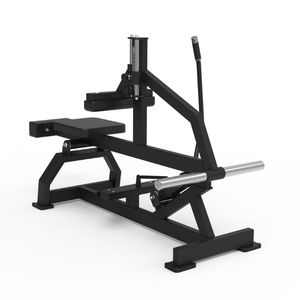
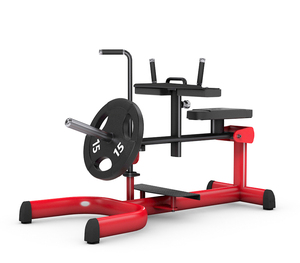
Standing vs. Seated Calf Isolation: A common procurement oversight is substituting standing calf machines for seated models. Knee flexion at 90 degrees deactivates the gastrocnemius due to active insufficiency, placing nearly 100% of the mechanical load onto the soleus muscle. Commercial buyers must supply both machine types to provide full athletic conditioning options.
1. Biomechanical Architecture: Seated vs. Standing Calf Raise Dynamics
Achieving optimal lower-leg muscle hypertrophy requires isolating anatomical functions through precise mechanical leverage:
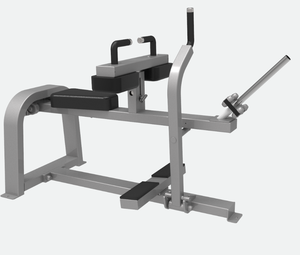
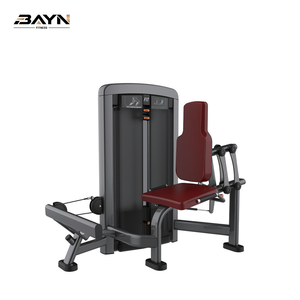
A. Seated Calf Raise Engineering (Soleus Focus)
When the knee joint is flexed at a 90-degree angle, the bi-articular gastrocnemius muscle crosses both the knee and ankle joints, shortening its length tension relationship. This creates active insufficiency, rendering it unable to generate peak force. Consequently, the mono-articular soleus muscle—which only crosses the ankle joint—becomes the primary motor driver.
- Thigh Pad Pivot Kinematics: Premium Chinese calf raise machines feature dynamic thigh hold-down pads with multi-position quick-release lever catches. This ensures firm mechanical stabilization across users of varying femur lengths without causing patellar tendon compression.
- Friction-Free Axis Points: Utilizing dual sealed pillow-block bearings (NSK or SKF equivalents) along the main fulcrum shaft minimizes rotational friction, delivering smooth, continuous resistance through full plantar flexion and dorsiflexion.
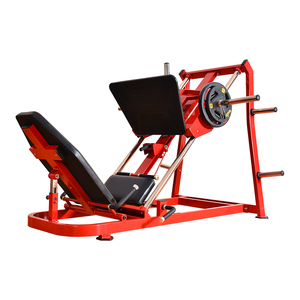
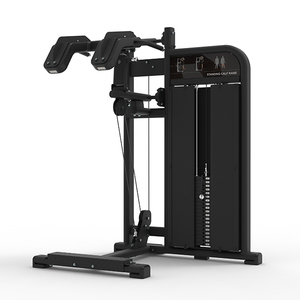
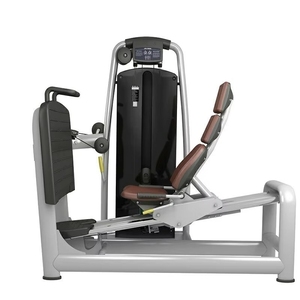
B. Standing Calf Raise & Leg Press Calf Attachment Engineering (Gastrocnemius Focus)
With the knee fully extended (180 degrees), the gastrocnemius reaches its optimal anatomical length tension curve. Standing calf machines and leg press calf block attachments utilize high-density curved foot blocks that allow complete, deep heel drops without foot slippage.
- Angled Ergonomic Footplates: Precision laser-cut rubberized footrests with textured diamond knurling prevent lateral ankle roll and foot slippage under heavy workloads exceeding 300 kg.
- Shoulder Load Distribution: Self-aligning contoured shoulder pads engineered with high-resilience molded polyurethane foam distribute vertical load evenly across the trapezius muscles, eliminating localized nerve pinch points during maximal exertion.
2. Technical Material Standards: China Manufacturing Benchmark
Procurement teams and B2B buyers evaluating Chinese exporters must look beyond surface aesthetic finishes to audit the internal structural integrity of the machinery. Below is an engineering comparison matrix between standard commercial gym equipment and our institutional-grade heavy-duty production standards:
| Specification Metric | Standard Commercial Grade | Institutional Heavy-Duty (Our Standard) | Procurement Benefit |
|---|---|---|---|
| Steel Frame Tubing | 1.8mm – 2.0mm (14-Gauge) | 3.0mm – 3.2mm (11-Gauge Q235/Q345) | Prevents frame flexing under heavy dynamic loads up to 500kg. |
| Welding Precision | Manual MIG Spot Welding | Full-Wrap OTC Robotic Laser Welding | Eliminates structural weld seam fatigue over 10+ years of daily use. |
| Upholstery Construction | Rebonded Foam + PVC Cover | Virgin Molded PU Foam + Microfiber PU Leather | Sweat-proof, tear-resistant, retains shape under heavy repetitive pressure. |
| Guide Rods & Bearings | Hollow Chrome Rods + Plastic Bushings | Solid Hard-Chrome Rods + Linear Ball Bearings | Ultra-smooth selectorized weight stack glide with zero mechanical sticking. |
| Surface Treatment | Single Powder Spray Coating | Electrostatic Dual-Coat Powder Finish | Superior scratch resistance, rust protection, and custom brand color matching. |
3. Global Sourcing & Procurement Trends (2025–2030)
As international distributors, commercial gym chains, and athletic performance centers optimize their equipment procurement budgets, the China fitness equipment export sector is evolving rapidly. Key trends shaping future procurement strategies include:
A. Direct Factory OEM/ODM Custom Branding & Facility Color Integration
Modern commercial gyms demand strong visual branding. Global buyers no longer accept generic off-the-shelf equipment designs. Leading Chinese manufacturers now offer complete OEM/ODM customization services:
- Custom Frame & Upholstery Color Schemes: Exact RAL color matching for powder-coated steel frames and heavy-duty vinyl padding to match university, tactical unit, or commercial gym brand guidelines.
- Laser-Cut Metal Logo Plates & Custom Platform Inlays: Integrating precision-cut brand logos directly onto main frame weight stack shields and platform surfaces to enhance brand prestige.
B. Knocked-Down (KD) Packaging Engineering for Freight Optimization
With global ocean freight costs remaining a critical component of Total Cost of Ownership (TCO), top China calf raise machine exporters design structural frames with modular Knocked-Down (KD) bolt-together assemblies. By maximizing container packing density without sacrificing structural stiffness post-assembly, international buyers achieve up to 35% savings on shipping costs per unit.
C. Smart Telemetry & Integrated Load Sensors
The convergence of commercial strength machinery and modern digital fitness ecosystems is driving the adoption of integrated rotary encoders and velocity-based training (VBT) sensors. Future selectorized calf raise machines from top Chinese exporters feature built-in sensor brackets allowing gym operators to connect digital performance monitors easily.