Top 10 Leg Curl Machine Factories & Global Sourcing White Paper

Institutional Buyer Procurement Matrix, Biomechanical CAM Engineering & Factory Audit Guide

Institutional Grade Equipment

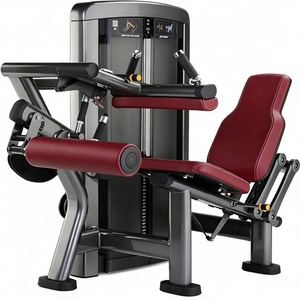
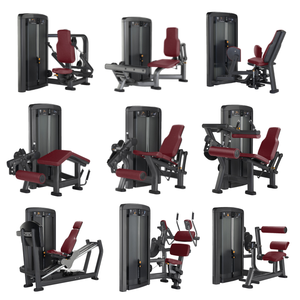
Featured Commercial Leg Curl & Extension Machinery

Precision-engineered pin-selected and plate-loaded leg curl machinery manufactured for high-traffic university weight rooms, professional sports facilities, and commercial fitness clubs.
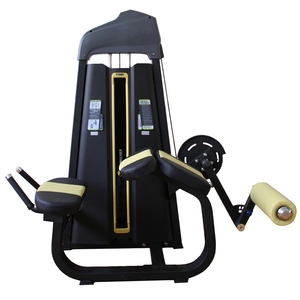
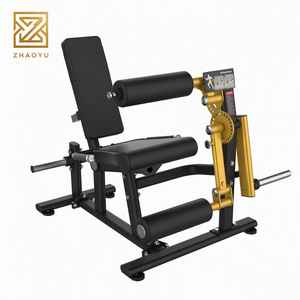
Commercial Gym Machine Prone Leg Curl XZ6012

Commercial Gym Machine / Fitness Equipment / Prone Leg Curl XZ6012

Send an Inquiry
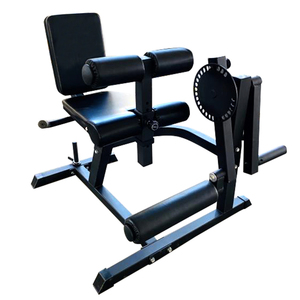
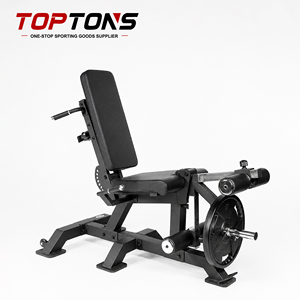
TOPTONS Premium Custom Plate Loaded Leg Extension Leg Curl

TOPTONS Premium Custom Plate Loaded Leg Extension and Leg Curl Machine, Adjustable Seated Leg Trainer

Send an Inquiry
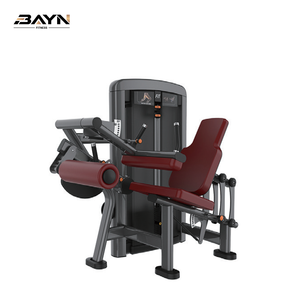
ZY Seated Leg Extension Curl Machine Plate Loaded Dual Function

ZY Seated Leg Extension Curl Machine Plate Loaded Dual Function Quadriceps Hamstring Trainer

Send an Inquiry
Wholesale Adjustable Seated Multi-functional Leg Curl

Wholesale Adjustable Seated Multi-functional Leg Curl Leg Extension Plate Loaded Machine

Send an Inquiry
BN Heavy Duty Commercial Leg Muscle Trainer

BN Heavy Duty Commercial Leg Muscle Trainer For Athletic Training Center Fitness Club Leg Curl Extension Machine

Send an Inquiry
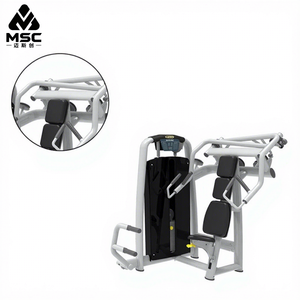
Professional Seated Leg Extension Curl Machine

Professional Seated Leg Extension Curl Machine Chest Push Trainer Exercise Equipment

Send an Inquiry
High Quality Commercial Professional Steel Gym Fitness Seated Leg Extension Curl Machine

High Quality Commercial Professional Multi Function Steel Gym Seated Leg Extension Curl Machine

Send an Inquiry
Gym Machine Equipment Heavy Duty High Quality Indoor Leg Curl

Gym Machine Equipment Heavy Duty High Quality Indoor Leg Curl Machine

Send an Inquiry
11-Gauge
3x3 structural steel frame tubing
100%
Made in USA engineering accuracy
250,000+
Cycle test rating on sealed bearings
ISO 9001
Certified OEM & ODM production
Industry White Paper Analysis

The Commercial Leg Curl Sourcing Landscape: OEM vs. Direct Manufacturer Evaluation

Selecting the optimal commercial leg curl machine factory requires a rigorous technical evaluation that goes far beyond surface aesthetics or price per unit. The hamstring isolation machine landscape—encompassing prone leg curl, seated leg curl, and dual leg extension/curl hybrid units—represents one of the highest strain mechanical categories in institutional weight rooms. Because hamstring training subjects pivot bearings, linkage arm cams, and structural steel frames to explosive rotational torque and eccentric overload, procurement managers must audit factory engineering processes with surgical precision.

Global fitness facility equipment procurement teams, athletic directors at NCAA Division I universities, and commercial gym franchise buyers consistently face a dilemma: whether to source directly from premier domestic manufacturers like Power Lift (Jefferson, Iowa, USA) or partner with overseas OEM/ODM factories. This comprehensive white paper breaks down the biomechanical, metallurgical, and economic metrics required to select a top 10 leg curl machine factory that guarantees long-term return on investment (ROI), zero structural fatigue failures, and superior kinetic alignment for elite athletes and general gym members alike.

Biomechanical CAM Profiles

Top factories utilize variable-radius CNC machined cam profiles that mirror the human hamstring force curve, ensuring optimal mechanical tension at full extension without overloading the posterior knee capsule.

Structural Frame Gauge

Institutional performance standards mandate minimum 11-gauge (3mm wall thickness) 3" x 3" structural steel tubing. Inferior 14-gauge tubing flexes under heavy loads, causing misaligned bearing races and premature failure.

Rotational Axis Alignment

Leading factories engineer four-bar linkages or gas-assisted self-adjusting tibialis pad arms that auto-align with the user's femoral condyles (knee joint center of rotation), preventing patellar shear stress.

Institutional Sourcing Benchmark: Top Factory Tier Comparison Matrix

To assist institutional buyers and enterprise fitness facility procurement leads, our SEO & Engineering Research Team evaluated global leg curl manufacturers against five key industrial parameters: metallurgical integrity, axis alignment design, customization capabilities, industrial upholstery grade, and total lifecycle cost.

Factory Classification Tier Frame Structural Specs Pivot Bearing Type CAM Biomechanics Custom Branding Options Expected Lifecycle
Tier 1 Elite Domestic (e.g., Power Lift USA) 3" x 3" 11-Gauge Structural Steel (Iowa Built) Sealed Spherical Bearings / Heavy-Duty Pillow Blocks Custom Variable Tension Laser-Cut Steel Cams Full Frame Powder Coat, Custom Upholstery & Logo Plates 15 - 25+ Years (Institutional)
Tier 2 High-End Commercial OEM 2" x 4" 11/12-Gauge Oval Steel Tubing Double-Sealed Precision Ball Bearings Fixed Radius Polymer / Aluminum Cams Standard Powder Coat Colors & Frame Vinyl Logos 8 - 12 Years (Commercial Gyms)
Tier 3 Light Commercial Manufacturer 2" x 2" 14-Gauge Thin-Wall Steel Nylon Bushings or Basic Cartridge Bearings Direct Cable Pulley (No Variable Cam) Basic Upholstery Colors, Sticker Branding Only 3 - 5 Years (Boutique / Light Use)
Tier 4 Budget Mass OEM Exporter Mixed 14-16 Gauge Welded Steel Unsealed Sleeve Bushings Direct Lever Arm (Linear Mechanical Cable) Generic Unbranded Stock Production 1 - 3 Years (Prone to Cable Fraying)
Technical Development

Engineering & Biomechanical Trends in Hamstring Isolation Equipment

The hamstring muscle complex—consisting of the biceps femoris (long and short heads), semitendinosus, and semimembranosus—requires distinct loading profiles depending on whether knee flexion occurs in a hip-extended (prone leg curl) or hip-flexed (seated leg curl) position. Modern strength research confirms that seated leg curls induce greater hamstring muscle hypertrophy due to higher passive muscle tension in the stretched position. As a result, factory production trends have shifted significantly over the past 36 months.

Integrated Dual-Function Kinematics

Space optimization in collegiate and high school weight rooms has accelerated demand for 2-in-1 Seated Leg Extension / Leg Curl combination machines. The most advanced factories engineer rapid pop-pin backrest angle adjustments and rotating tibia pads that transition seamlessly between anterior quadriceps isolation and posterior hamstring curling without compromising pivot axis alignment.

Heavy-Duty Plate-Loaded Systems vs. Weight Stacks

While commercial health clubs favor selectorized pin-select weight stacks for quick user adjustment, elite athletic performance centers (NFL, NCAA, Military Tactical) increasingly specify plate-loaded leg curl machines. Plate-loaded units eliminate cable stretch, reduce mechanical resistance loss, and allow strength coaches to apply band pegs for variable kinetic accommodating resistance.

Future B2B Procurement Trends: What Sourcing Directors Must Plan For

As institutional gym design moves toward fully custom, highly branded, and technologically integrated strength spaces, procurement officers must align with factories capable of adapting to shifting market requirements over the next decade.

  • Custom Architectural Branding & Laser-Cut Identity: Generic gym equipment is rapidly being phased out by institutional buyers. Universities, high schools, and professional franchises require customized laser-cut logo plates, custom frame powder coat matching school brand colors, and marine-grade double-stitched embroidered upholstery. Modern factories must feature in-house CNC fiber laser cutting and automated electrostatic powder coating lines.
  • Ergonomic Polyurethane Molding vs. Traditional Rebonded Foam: Traditional leg curl rollers made of bonded slab foam degrade and break down under heavy daily institutional use. Leading manufacturers have transitioned to high-density molded closed-cell polyurethane pads that retain structural density and resist sweat corrosion for over a decade.
  • Nearshore & Domestic Supply Chain Resilience: Geopolitical tariffs, international freight volatility, and long ocean shipping delays have highlighted the strategic advantage of direct procurement from American manufacturers. Facilities partnering with domestic factories like Power Lift enjoy reduced lead times, immediate access to spare replacement parts, and direct field installation support.
  • Biomechanically Validated Isokinetic Adjustments: Next-generation leg curl machinery features micro-adjustable thigh hold-down pads, multi-position ankle roller arms, and counterbalanced work arms to ensure proper alignment regardless of athlete limb length.

Why Institutional Procurement Teams Partner With Power Lift

Engineered, welded, painted, and upholstered at our state-of-the-art facility in Jefferson, Iowa, USA. Trusted by high schools, universities, NFL franchises, and military tactical units nationwide.

Factory-Direct USA Manufacturing

Every leg curl machine and rack station is fabricated directly in Jefferson, Iowa. Full control over raw steel selection, robot laser welding, and finishing ensures genuine Made-in-USA structural integrity.

Turnkey Facility Planning

Our expert weight room facility planning specialists guide you through needs evaluation, 2D/3D layout design, equipment specification, and professional white-glove installation.

Unrivaled Institutional Branding

Match your school or team branding perfectly with custom frame colors, embroidered upholstery logos, laser-cut steel branding plates, and platform frame integrations.

Pro-Sports & NCAA Validated

Outfitting world-class performance centers including Georgia Tech, Detroit Lions Training Facility, Florida State University Basketball, and elite tactical centers across the globe.

Over-Engineered Heavy Steel

Built using thick 3" x 3" 11-gauge steel frame tubing, oversized pivot axles, and industrial-grade linear bearings designed for non-stop, high-volume multi-athlete daily training.

Direct Long-Term Support

Eliminate middleman distributor markup and communication delays. Enjoy a single point of contact from initial floor plan consultation to long-term lifecycle equipment maintenance.

Enterprise Procurement Guidance

Frequently Asked Questions for Sourcing Directors & Gym Owners

1. Which provides a higher athletic training ROI: Prone Leg Curl or Seated Leg Curl machines?
Both machinery designs serve distinct biomechanical purposes. Seated Leg Curls place the hamstring complex in a pre-stretched position at the hip joint, generating superior muscle hypertrophy and maximal stretch tension. Prone Leg Curls (lying down) isolate knee flexion while keeping the hip extended, which closely mimics the knee flexion mechanics during the terminal swing phase of athletic sprinting. For institutional strength rooms catering to multi-sport athletes, specifying a combination of both or choosing a high-grade dual-function machine (such as Power Lift's adjustable extension/curl units) provides optimal facility versatility and maximum training ROI.
2. What minimum steel tube wall thickness should be specified in B2B tenders for leg curl equipment?
B2B procurement specifications for institutional, university, or heavy commercial fitness spaces should strictly require 11-gauge structural steel tubing (3.0mm wall thickness) with 3" x 3" or 2" x 4" outer dimensions. Lower quality commercial equipment manufactured with 14-gauge (2.0mm) or 16-gauge (1.5mm) steel is prone to frame flexing under maximum load stacks, leading to premature bearing wear, weld cracking, and cable misalignment.
3. How do factory-direct warranties compare to third-party OEM supplier warranties?
Factory-direct original equipment manufacturers (OEMs) like Power Lift provide comprehensive structural frame warranties (often 10 years to lifetime), along with direct replacement parts availability guaranteed for the life of the machine. Third-party overseas suppliers or unbranded brokers frequently offer limited 1-to-2 year warranties backed by difficult replacement part logistics and long international shipping delays, creating severe operational downtime for commercial fitness centers.
4. Can leg curl machines be customized with custom frame colors, team logos, and custom upholstery?
Yes. Leading domestic manufacturers specialize in custom aesthetic branding. Facilities can specify custom frame powder coating (matching Pantone or school athletic color codes), custom two-tone vinyl upholstery with high-density embroidered school logos, laser-cut stainless steel weight stack shrouds, and integrated custom logo wear guards.
5. What standard manufacturing lead time should buyers budget for custom commercial gym equipment orders?
For custom institutional strength equipment orders built to specific frame, color, and logo specifications, buyers should budget a standard manufacturing lead time of 4 to 8 weeks for factory production, powder coating, assembly, and quality assurance testing. Overseas OEM ocean shipping adds an additional 6 to 10 weeks, whereas direct domestic transport from Iowa facilities provides expedited freight delivery directly to the installation site.
6. How does factory floor layout planning prevent bottlenecks in high-volume athletic weight rooms?
Professional weight room facility planning uses 2D and 3D floor plan layout modeling to evaluate athlete traffic patterns, station clear space, and equipment footprint. By placing selectorized or plate-loaded leg curl machines adjacent to primary squat and deadlift rack stations, coaches can establish efficient training supersets while maintaining required safety clearances around dynamic moving leverage arms.

Ready To Build An Elite Strength Facility?

Connect with a Power Lift strength equipment specialist to discuss your space requirements, custom machinery specifications, facility floor plans, and factory-direct pricing options.

Send an Inquiry