
Precision-engineered, heavy-duty fitness machinery engineered for collegiate, professional, and commercial performance centers.
The global commercial strength and athletic training equipment sector has undergone a massive paradigm shift. Institutional procurement teams, athletic directors, tactical facility architects, and commercial gym operators no longer evaluate suppliers purely on unit cost. Modern procurement protocols center on Information Gain, Structural Engineering Integrity, Biomechanical Ergonomics, and Total Cost of Ownership (TCO).
Selecting the right factory or OEM/ODM partner requires evaluating manufacturing infrastructure, steel alloy grades (such as ASTM A500 Grade B vs standard structural tubing), robotic MIG welding precision, electrostatic powder coating mil-thickness, and compliance with international safety benchmarks including ISO 20957 and ASTM F2276. This whitepaper analyzes the structural standards of top-tier gym equipment suppliers, providing procurement executives with actionable criteria to eliminate supply chain risk.
To accurately audit gym equipment suppliers, procurement officers must understand key structural specifications across strength, free weights, and plate-loaded categories:
| Equipment Category | Commercial Grade Standard | Sub-Standard Metric (Avoid) | Critical Quality Indicator |
|---|---|---|---|
| Power Racks & Rigging | 3" x 3" 11-Gauge / 7-Gauge Structural Steel | 2" x 2" 14-Gauge Thin Wall Tubing | Laser-cut upright numbering, robotically welded gusset plates |
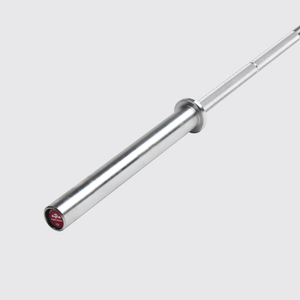
| Olympic Barbells | 190,000 to 230,000+ PSI Tensile Strength | < 130,000 PSI Low Carbon Steel | Precision needle bearings, dual knurl marks, hard chrome plating |
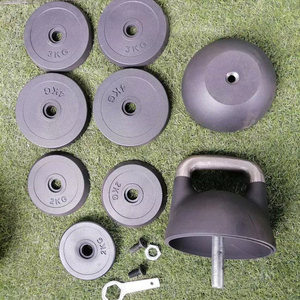
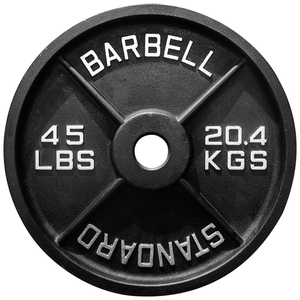
| Weight Plates & Dumbbells | 100% Virgin Rubber / Cast Steel / Urethane | Recycled Odorous Rubber / Sand-Filled Shells | Drop-tested to 20,000 cycles, precision weight tolerance (±10g) |
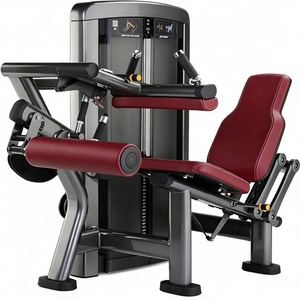
| Selectorized Machines | Aircraft-Grade Cables (4.8mm - 6.0mm, 4200 lb rating) | Unrated Vinyl Coatings / Nylon Pulleys | Fiberglass-reinforced nylon or CNC aluminum deep-groove pulleys |
Key technological criteria used by global procurement teams to vet industrial equipment manufacturers.
Direct oversight over raw steel sourcing, laser cutting, automated tube bending, and robotic welding minimizes structural failure points and guarantees strict dimensional tolerances.
Institutional facilities demand customized logo plates, laser-cut gussets, custom frame powder coats, and multi-color polyurethane upholstery matching team or brand identities.
Equipment engineered for continuous daily multi-athlete training requires high-density foam padding (300+ kg/m³ density) and heavy powder coats resistant to sweat corrosion.
Drawing from leading American manufacturing heritage—exemplified by enterprise facilities in Jefferson, Iowa—top-tier suppliers set themselves apart through localized quality control, rigorous metal fabrication, and turnkey design support. Institutional facilities such as NCAA Division I Universities (e.g., Georgia Tech, Florida State University), NFL Franchise Facilities (e.g., Detroit Lions), high schools, and military tactical training hubs demand zero-compromise builds.
Key differentiation parameters include:
Analysis of athlete throughput, room square footage, ceiling clearances, strength programming requirements, and safety perimeters.
Precision 2D/3D facility modeling with customized team branding, custom frame powder coating, and specialized logo inlay platform engineering.
In-house laser cutting, robotic welding, electrostatic coating, quality assurance testing, followed by on-site professional installation.
Commercial sourcing is rapidly evolving toward modularity and supply chain transparency. Key purchasing trends shaping enterprise orders include:
Technological innovations in strength equipment design are driving performance and athlete safety standards:
Critical answers for athletic directors, commercial purchasing agents, and facility operators.
For high-use institutional and commercial applications, 11-gauge steel (approximately 3.0mm wall thickness) is the structural baseline, with load-bearing gussets and heavy-duty uprights utilizing 7-gauge steel (4.5mm thickness). Structural tubing sized at 3" x 3" ensures universal compatibility with commercial attachments, stability under 1,500+ lb dynamic loads, and long-term frame integrity.
Leading manufacturers provide factory-direct laser cutting and powder coating services. Buyers specify precise RAL color codes for powder coat finishes, upload vector logo files for CNC-machined branding plates, and request custom vinyl or embroidered team crests on high-density foam upholstery. Integrated wood lifting platforms can also be laser-etched with school or brand logos under high-durability epoxy seals.
Procurement audits should verify ISO 9001 quality management compliance, ISO 14001 environmental standards, EN 957 European safety standards for stationary training equipment, and ASTM F2276 specifications for fitness equipment manufacturing. In addition, barbell tensile strength should be backed by third-party metallurgical lab certification (specifying PSI tensile rating, yield strength, and sleeve drop-test reports).
Factory-direct procurement provides complete oversight of material certifications, custom engineering adaptations, and direct access to spare parts over a 10-to-20-year equipment lifecycle. Retail or consumer-grade imports typically utilize lighter 14-gauge tubing, plastic wear components, and non-replaceable cables, resulting in significantly higher failure rates and elevated Total Cost of Ownership (TCO).
Professional weight room layout planning uses 2D/3D CAD modeling to balance athlete walk-paths, lifting safety zones, plate storage proximity, and coach visibility. Properly zoned facilities reduce bottlenecking during peak training sessions, optimize safety perimeters according to NSCA guidelines, and maximize athlete density per square foot.